KL Hop On Hop Off runs a 20-bus sightseeing fleet in Kuala Lumpur. With FieldEx, daily driver checklists create repair jobs and buses are tracked by QR codes.
reduction in missing parts monthly

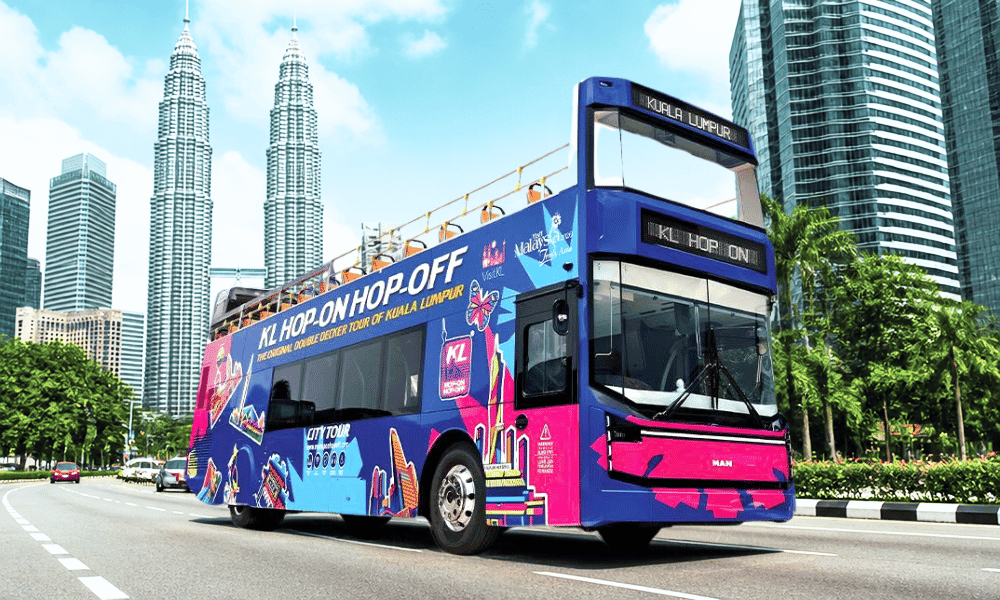
KL Hop On Hop Off, run by Elang Wah Sdn Bhd, operates open-top double-decker sightseeing tours across Kuala Lumpur, connecting more than 60 sites and attractions. It runs a day tour and a night tour, supported by a fleet of 20 buses.
A sightseeing fleet only earns when its buses are on the road. For KL Hop On Hop Off, that meant keeping 20 buses maintained, documented and ready for every tour, with a small technical and operations team behind the scenes.
Before FieldEx, every bus issue went into a WhatsApp group, bus by bus. Each morning, Head of Operations Mohd Fazrudi’s team compiled the complaints using a WhatsApp template and pushed them to the technical team. Inventory lived in a shared Google Drive maintained by Fazrudi (Rudy) and his assistant, and parts moving in and out of the warehouse were noted on paper.
When a bus broke down, a driver took a photo, posted it in the group with a short description, and a technician scrolled through the chat to find it and decide which parts to bring. The fix happened, and the closure was reported back in WhatsApp, or it wasn't.
"WhatsApp is not actually documented, right?"
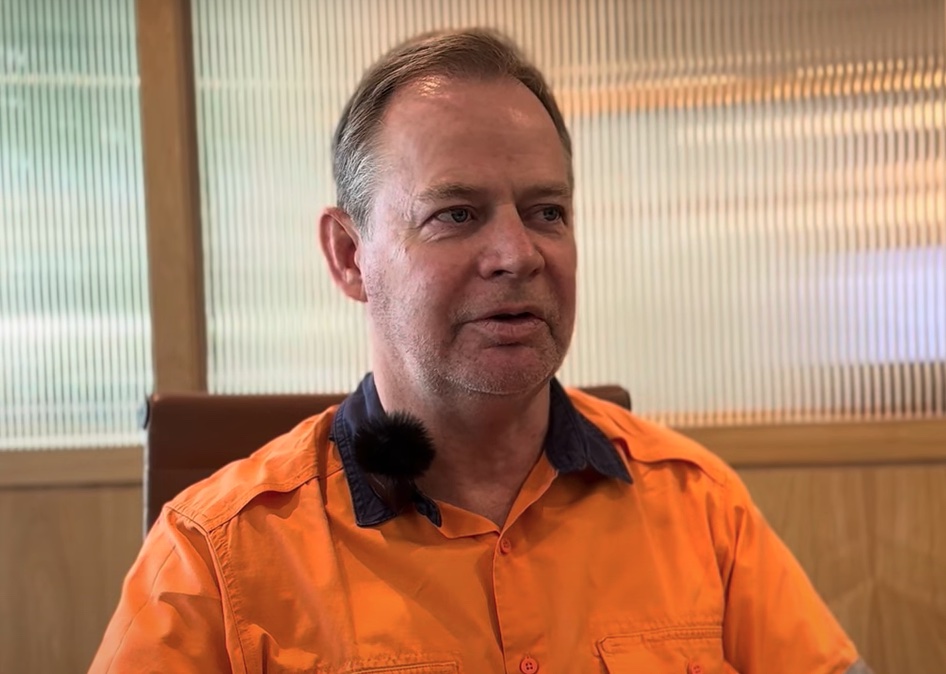
- Mohd Fazrudi Mohd Rohdzi (Rudy) | Head of Operations, KL Hop On Hop Off
"If something went missing, you were guessing."
- Mohd Azmi Sulaiman (Zack) | Technical Head, KL Hop On Hop Off (on the paper checklist days)
“Kita tak akan terlepas satu barang pun.” (We won’t miss a single thing.)
- Mohd Fazrudi Mohd Rohdzi (Rudy) | Head of Operations, KL Hop On Hop Off (on reporting issues in the FieldEx app)
FieldEx went live in November 2025, and the first stretch was not smooth. Rudy, who led the rollout, says everyone struggled to adapt, himself included.
"Including me also. [Laughs] Before this just laju kan, just using WhatsApp. But FieldEx, the first week tu, I rasa macam, wah, banyak kerjalah yang kena buat." (Including me. Before this it was just fast, just using WhatsApp. But with FieldEx, that first week, I felt like, wow, there's a lot of work to do.)
WhatsApp felt direct. FieldEx asked the team to follow a proper process. Rudy's team had a name for it: "Hazard-lah. We call hazard for the first starting using FieldEx system. The old way was senang, mudah (easy and convenient), and the new system was deliberately not that."
The FieldEx team supported KL Hop On Hop Off both on-site and online, including training for the technical team and drivers. FieldEx also configured the system around how the team already worked. The drivers’ inspection checklist had been a paper form, so FieldEx digitised it and built it into the app. Drivers could keep doing the checks they already knew, now with photos and automatic repair jobs.
Then came the turning point. Rudy shares: “Kita tak sedar yang using some system yang betul-betul macam ni, there’s help a lot-lah.” (We didn’t realize that using a proper system like this helps a lot.)
buses in the fleet
tours, day and night
KL Hop On Hop Off uses FieldEx to manage its bus fleet from one platform. The rollout started with the technical team and was then extended to the drivers who spot problems first.
Before FieldEx, Rudy would give the technicians a date: this bus is going for inspection on this day. The techs worked out their own planning, and parts sometimes got swapped during preparation without being reported.
Now, Rudy enters the inspection date into FieldEx and Zack takes over the planning. The system shows the bus's previous parts, previous servicing and anything still outstanding, so the technicians know exactly what to prepare. Nothing gets missed.
Rudy says: "Overall, the reporting also semua akan more more detail. When the last servicing were done, and then next when. So the planning tu cantiklah." (Overall, the reporting will all be more detailed. When the last servicing was done, and when the next is. So the planning is spot-on.)
Zack says the status-driven workflow works best for his team. A technician picks up a job, keys in the details, sends it for review and gets approval, all by changing the job's status, depending on how complex the task is.
He also sets time limits by task type. A tyre change shouldn't take five hours, so he sets it at two. Before FieldEx, a job that dragged on wouldn't be caught until the end of the month. Now it's caught the same day.
KL Hop On Hop Off uses these FieldEx features: Asset & Machine Management, Preventive Maintenance, Inventory & Spare Parts and Compliance & Documentation.
With FieldEx, KL Hop On Hop Off now manages maintenance, parts and driver checks for its 20 buses from one system. Issues found during daily and weekly checks reach the technical team as repair job orders, so they can be assessed and handled in a preventive way. The phased rollout, which was driven by the chief operations officers, began with the technical team and now includes drivers, gives the company a solid base to build on.
It hasn’t been all smooth. For a team used to paper, the hardest part of going digital wasn’t the technology. Zack says that after years of doing things one way, changing the habit takes far longer than learning the tool. Even small frictions, like scrolling through long lists, feel bigger when the old way was quicker.
“The system isn’t the hard part. The habit is.”
- Mohd Azmi Sulaiman (Zack) | Technical Head, KL Hop On Hop Off