
.png)

Preventive maintenance is a crucial practice for companies that rent out equipment. By regularly checking and maintaining their machines, these companies can avoid unexpected breakdowns, save money, and keep their customers happy. After all, happy customers are far more likely to return when they know the rental equipment they rely on is consistently reliable and well-maintained.
Implementing a preventive maintenance program requires proper planning, tools, and training. While overcoming challenges like resource allocation and scheduling can be tough, it is the key to running a successful, profitable maintenance program. Let's break down exactly how to build one.
Alright, let's dive into the world of preventive maintenance in equipment rentals. It's a bit like taking care of your fleet vehicles – you wouldn't skip oil changes or tire rotations, right? The exact same logic applies to your rental inventory.
So, what exactly is preventive maintenance? It is a planned and systematic approach to keeping equipment in top shape. This means executing regular check-ups, servicing machinery, and replacing parts before they fail. Think of it as a routine health check for your machines. While the scope can vary depending on the asset, it usually includes things like routine inspections, cleaning, adjustments, fluid top-offs, and minor repairs. It is not just about fixing things when they break; it is about actively preventing them from breaking in the first place.

Why is preventive maintenance such a big deal for rental businesses? It's not just an operational chore; it is a fundamental driver of revenue.
The core benefits include:
Getting a preventive maintenance program up and running is not as daunting as it sounds. Consistency and attention to detail are your best friends here.
It's not all sunshine and perfect schedules. There are real hurdles rental managers face when trying to implement proactive maintenance:
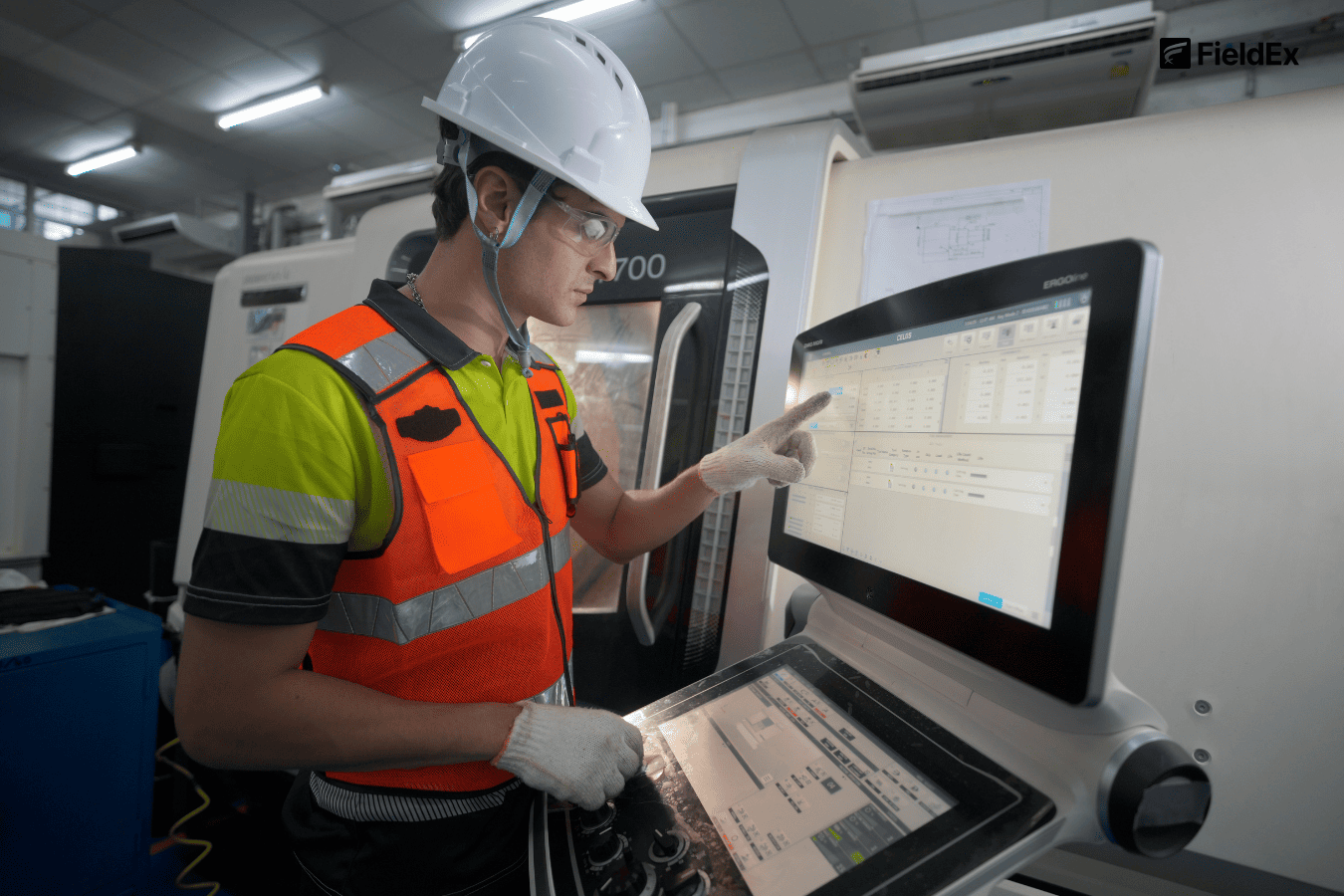
If you are managing a growing rental fleet, manual tracking will eventually slow you down. Here is how modern rental companies are utilizing tech to scale their maintenance operations:
To keep your fleet running smoothly, integrate these daily habits into your operations:
Now, let's talk dollars and cents. While preventive maintenance requires an upfront investment in labor and parts, the financial return is undeniable.
Here's a breakdown of how a proactive approach directly impacts your bottom line compared to a reactive "run-to-failure" model:
Preventive maintenance drastically reduces emergency repair costs. Fixing a blown hydraulic pump out in the field costs significantly more than replacing a worn hose in the shop – especially when you factor in emergency call-out fees and a technician's overtime. Ultimately, pushing an expensive piece of heavy machinery an extra two or three years before needing to replace it dramatically improves your bottom line.
Your maintenance program is only as good as the people executing it. You should provide both operational and safety training to ensure internal staff and technicians know how to inspect and service the equipment correctly.
Here is a simple way to get started:
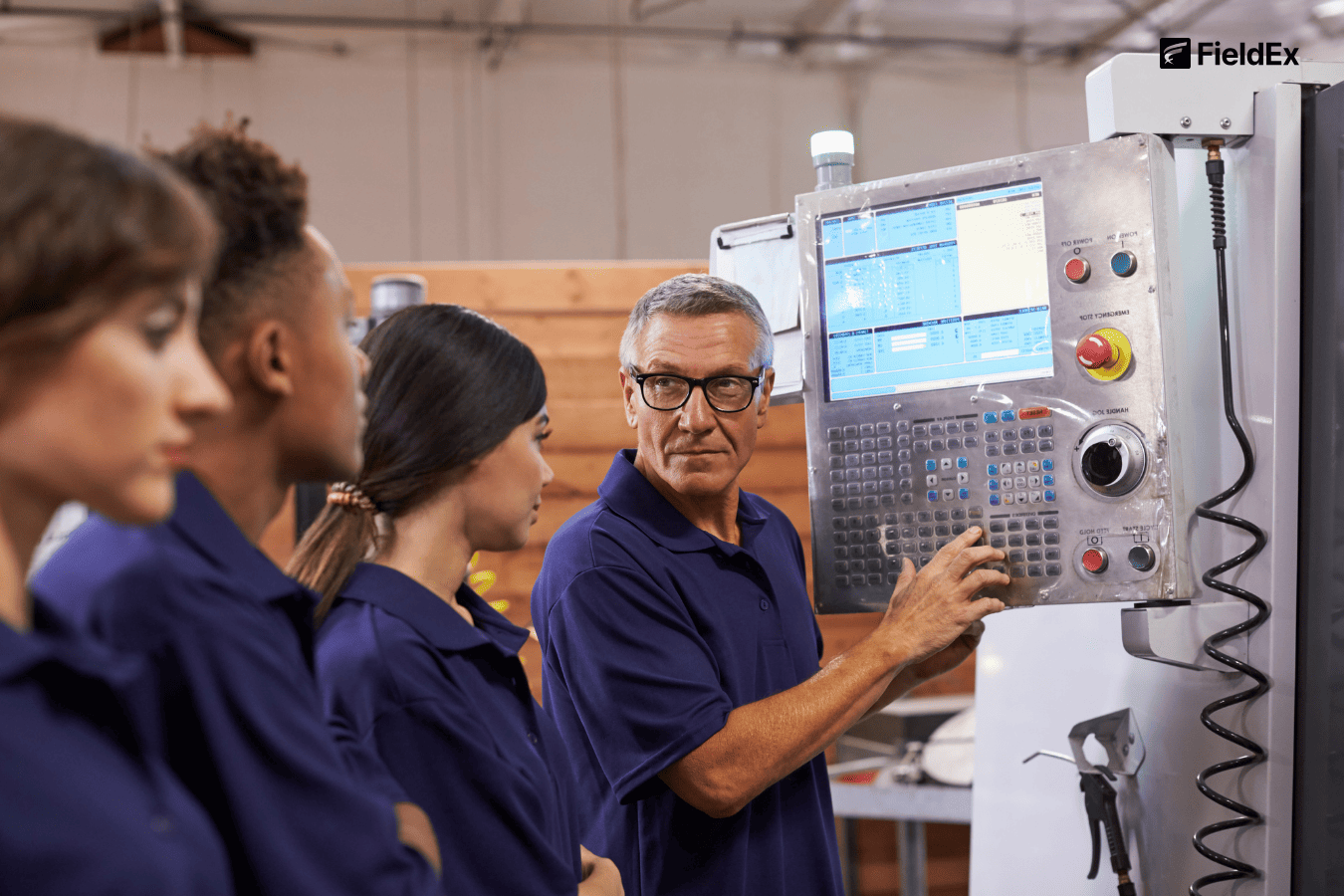
The environmental and safety benefits of preventive maintenance are incredibly important but often overlooked.
First, well-maintained equipment runs more efficiently, meaning it uses less fuel, burns oil cleaner, and produces fewer emissions. By keeping machinery in top shape, you are reducing your environmental footprint.
Secondly, regular maintenance checks catch potential safety hazards – like a worn-out lift chain, a faulty emergency stop button, or degraded brakes – before they cause an accident. Preventive maintenance is your safety net to ensure regulatory compliance and protect the physical well-being of the end-users renting your gear.
The maintenance landscape is evolving rapidly. Here is what is on the horizon for rental companies:
In the world of equipment rentals, preventive maintenance is more than just a good practice – it is essential to survival. But relying on paper checklists and memory is a surefire way to let critical maintenance slip through the cracks.
If you want to scale your rental business, investing in high-quality rental management software is no longer optional. FieldEx helps rental businesses stay ahead of costly equipment failures with smart preventive maintenance tools, digital work orders, and real-time asset tracking. By utilizing the platform, you can seamlessly schedule and track usage, automate maintenance reminders, and keep a full audit trail of rentals, returns, and inspections.
Want to see FieldEx in action? Book a free demo today, or reach out with any questions you may have. We’re here to help.
Preventive maintenance in equipment rentals involves regular checks and servicing of rental equipment to prevent unexpected breakdowns and ensure everything runs smoothly.
It helps rental companies save money, extend the life of their equipment, and keep customers happy by reducing downtime and ensuring reliable performance.
Begin by setting up a schedule for regular inspections, choose the right tools and software, and train your team to handle maintenance tasks effectively.
There are various tools and software available that can help with scheduling, tracking, and managing maintenance tasks, making the process more efficient.
Some common challenges include finding the right resources, dealing with scheduling conflicts, and overcoming resistance to change within the organization.
It reduces environmental impact by keeping equipment in good condition and enhances workplace safety by preventing accidents and ensuring compliance with regulations.
Technology like IoT, sensors, data analytics, and mobile apps help monitor equipment health in real-time, making maintenance more predictive and efficient.
Preventive maintenance can lead to a good return on investment (ROI), lower repair costs, and help with budgeting by reducing unexpected expenses.
FieldEx gives you the tools to spot problems before they become breakdowns.
With automated preventive maintenance schedules, smart service reminders, and digital work orders, you can fix issues proactively so your rental fleet stays available, reliable and profitable.
Absolutely. Every piece of equipment in FieldEx gets a detailed service log.
You’ll have full visibility into past inspections, part replacements, repairs, and upcoming tasks – all in one place. No more hunting through spreadsheets or paperwork.
Yes! Whether you rent out tools for days or heavy machinery for months, FieldEx adapts to your workflow.
You can create custom schedules based on usage hours, rental duration, or calendar intervals – whatever fits your operation best.
With FieldEx, reported issues turn into digital work orders instantly. You can assign the task to your team or a subcontractor, track progress, log parts used, and even keep the customer updated, and all from your dashboard or mobile app.
Yes, FieldEx tracks your spare parts in real-time, alerts you when stock runs low, and links parts directly to equipment records so you’re never stuck waiting for a critical replacement.
100%. Your techs can view maintenance schedules, complete checklists, upload photos, and close out jobs, all from their phone or tablet. No paper. No delays. Just smooth service, wherever they are.
Yes. FieldEx makes it easy to stay compliant. You can create digital inspection checklists, store certifications, log meter readings, and generate reports for audits or insurance with just a few clicks.
Yes! FieldEx offers flexible pricing plans, including a free tier for small teams to help you get started without breaking the budget. You only pay for what you need, and scale when you're ready. Check out our pricing page to learn more!
More than easy! FieldEx is designed for real-world users, not just tech pros.
It’s clean, intuitive and mobile-friendly, so your team can log jobs, track tasks and access asset info from the field with zero headaches.
Simply schedule a free demo, and see how FieldEx helps you reduce downtime, automate maintenance and stay in control. Or reach out with any questions you may have. We’re here to help.

.avif)


This website and its content are the property of FieldEx and are protected by copyright laws. © 2026 FieldEx. Any redistribution or reproduction of part or all of the contents in any form is prohibited, except with our express written permission.
FieldEx Pte Ltd