
.png)
%20(1).png)
In 2026, local solutions like Genic Teams and Simplify Asia are the best choices for SME compliance and PSG grant eligibility. For multi-trade operations handling complex assets, FieldEx is the best regional hybrid platform. For massive, complex enterprise rollouts, global leaders like ServiceTitan and Microsoft Dynamics 365 lead the pack.
Singapore’s service and infrastructure sectors are booming. From high-rise mechanical, electrical, and plumbing (MEP) contractors maintaining CBD skyscrapers to telecommunications teams rolling out nationwide Smart Nation infrastructure, the demand for mobile workforces has never been higher.
However, managing a growing fleet of technicians using WhatsApp groups, whiteboards and physical paper invoices is a recipe for lost revenue. It leads to severe miscommunications, delayed payments, and technicians wasting billable hours sitting in CTE traffic.
The solution? A modern field service management (FSM) platform that unifies quoting, dispatching, route optimization, and instant invoicing into one mobile-first workflow.
(Learn more about FSM and its key benefits here.)
Before looking at software features, Singaporean business owners need to understand the unique financial incentives available to them right now.
The Singapore government heavily incentivizes businesses to digitize. Eligible SMEs (operating in Singapore with at least 30% local shareholding) can receive up to 50% funding support for pre-approved FSM solutions. By choosing a vendor recognized by the Infocomm Media Development Authority (IMDA) and listed on the GoBusiness portal, you can drastically subsidize your software transition.
Singapore is aggressively transitioning toward a Smart Nation ecosystem. This means physical invoices and cheques are becoming obsolete. Modern FSM platforms handle this natively by generating digital invoices on-site and integrating directly with local e-payment gateways like PayNow, drastically reducing your accounts receivable cycle.
Running a field service fleet in Singapore is completely different from running one in the US or Australia. Your FSM must address these specific geographic and socioeconomic hurdles:
Because the lines between software categories often blur, Singaporean buyers frequently confuse FSM with CMMS. Here is the distinction:
How does this look in the real world? Here is how different sectors in Singapore utilize FSM to scale operations:
Next up, let’s explore the 13 best FSM software in Singapore (2026).
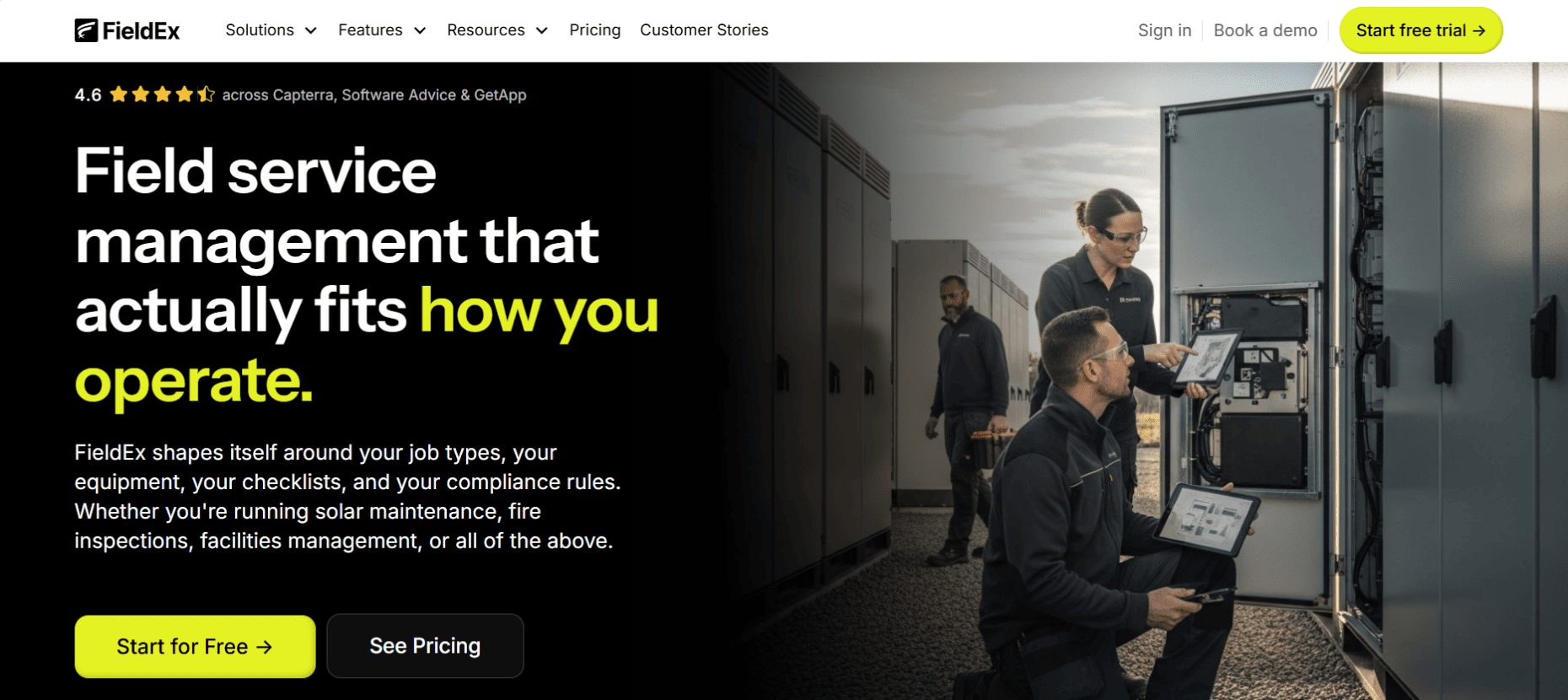
Most platforms force you to choose between tracking your field workers (FSM) or tracking complex equipment (CMMS). FieldEx bridges this gap seamlessly, making it the ultimate hybrid for companies managing both mobile workforces and intricate, multi-tiered commercial SLAs.
Growing multi-trade businesses in Singapore across green energy, MEP (Mechanical, Electrical, and Plumbing), and construction that require end-to-end digital workflows.
The Regional Edge: Headquartered just across the causeway, FieldEx shares Singapore's business culture, language, and exact time zone. You get enterprise-grade software backed by immediate, localized support.
Plans & Pricing: Growth ($10/user/month) | Pro ($55/user/month) | Enterprise ($85/user/month).

Developed right here in Singapore, Genic Teams by Genic Solutions is an incredibly popular cloud-based FSM tailored explicitly for local SMEs. It focuses heavily on reducing paperwork and bridging the gap between the warehouse and the field.
Local service SMEs looking to transition away from paper while ensuring their software purchase qualifies for IMDA/PSG digital grants.
The Local Edge: Being a homegrown solution, Genic Teams is intimately familiar with Singaporean business processes and is a fully pre-approved vendor for the PSG grant, ensuring a frictionless funding application and localized support in your exact time zone.
Plans & Pricing: Custom pricing. Contact Genic Solutions directly.
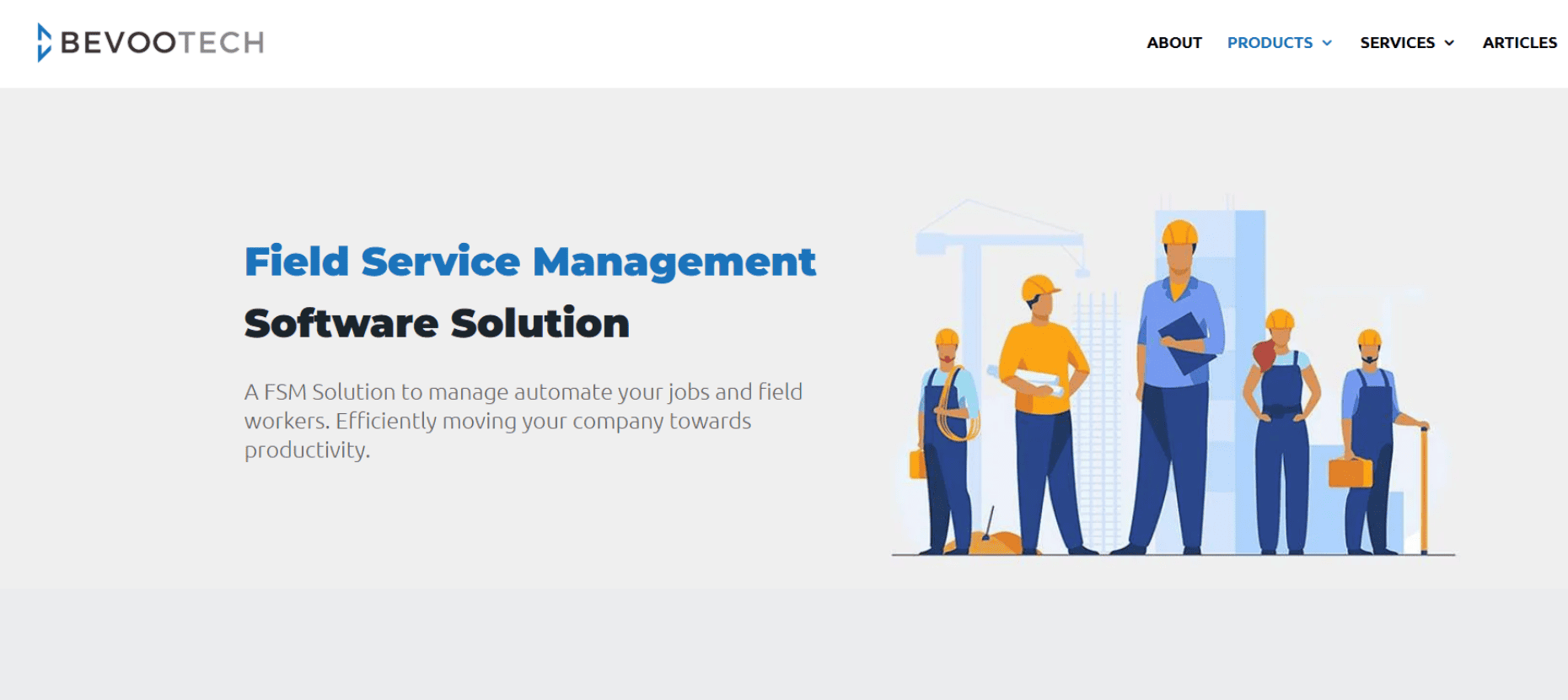
Rather than just selling off-the-shelf software, Bevootech operates as a highly specialized local tech integrator. They provide customized FSM solutions deeply interwoven with their own Enterprise Resource Planning (ERP) and Customer Relationship Management (CRM) tools.
Mid-sized contractors who are tired of juggling five different software subscriptions and want to unify their back-office accounting, supply chain, and field dispatching under a single, localized provider.
The Local Edge: Based right in Singapore, their dedicated on-the-ground integration team means you get face-to-face consultation, customized AWS architecture, and training tailored specifically to local business compliance and operational standards.
Plans & Pricing: Custom pricing. Contact Bevootech directly.
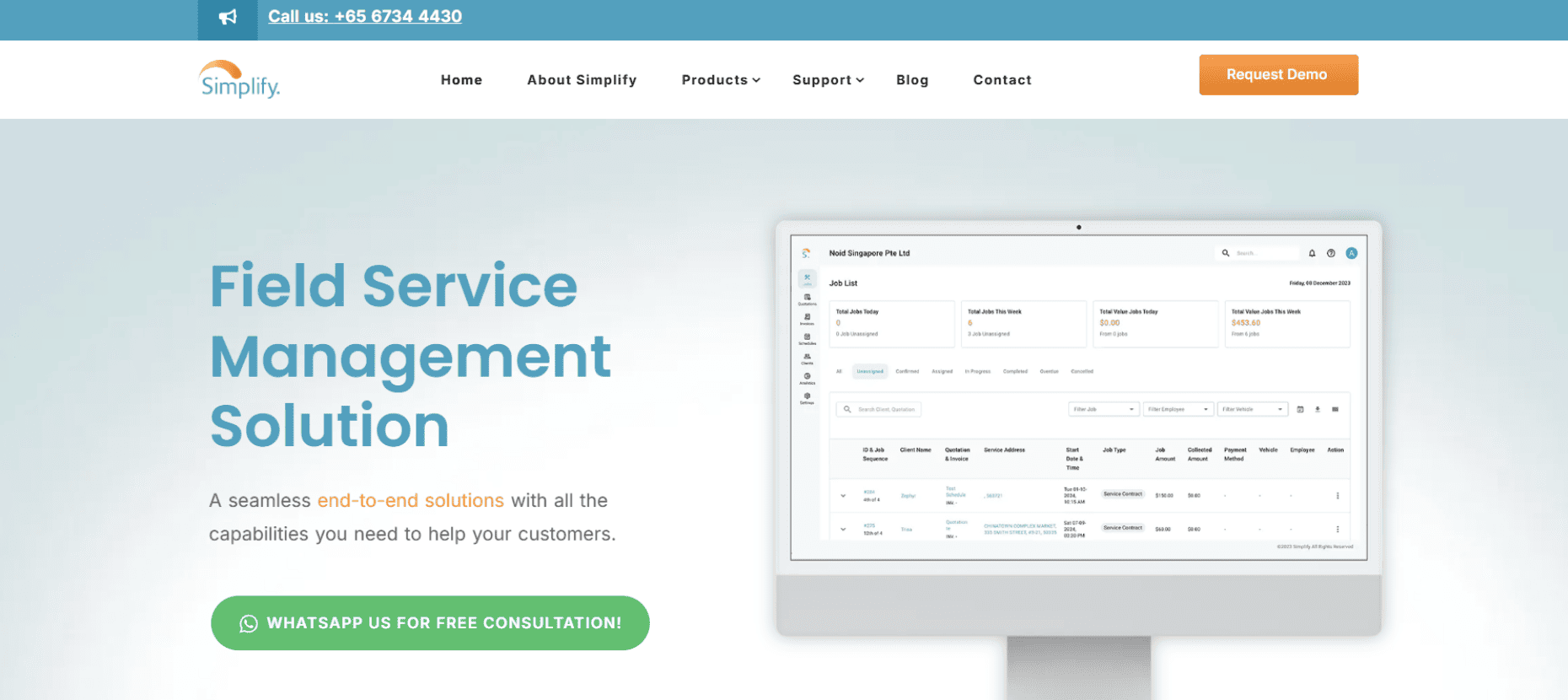
Simplify Asia strips away the bloated features that confuse non-technical workers, delivering an incredibly intuitive scheduling and mobile workforce app designed strictly to get jobs dispatched and updated quickly. It is a pre-approved vendor for the PSG grant,
Cleaning crews, basic pest control, and landscaping teams that rely on high-turnover foreign labor and need an app with an absolute zero learning curve.
The Local Edge: Simplify Asia caters perfectly to Singapore's diverse, high-turnover foreign labor force. By offering an incredibly streamlined interface that bypasses complex jargon, it ensures immediate adoption among workers regardless of their technical background.
Plans & Pricing: Custom pricing. Contact Simplify Asia directly.

Kegmil is a powerhouse FSM developed in Singapore specifically for the most complex, compliance-heavy trades in the region. It is designed to handle the rigorous maintenance of elevators, fire protection systems, and massive Air-Conditioning and Mechanical Ventilation (ACMV) units.
Mid-sized to large Singaporean contractors who manage high-value, highly regulated equipment requiring strict, multi-year maintenance contracts and stringent compliance reporting.
The Local Edge: Kegmil is deeply entrenched in the local heavy industries and is fully pre-approved for PSG funding. They intimately understand the compliance requirements of Singapore's BCA (Building and Construction Authority).
Plans & Pricing: Custom pricing. Contact Kegmil directly.
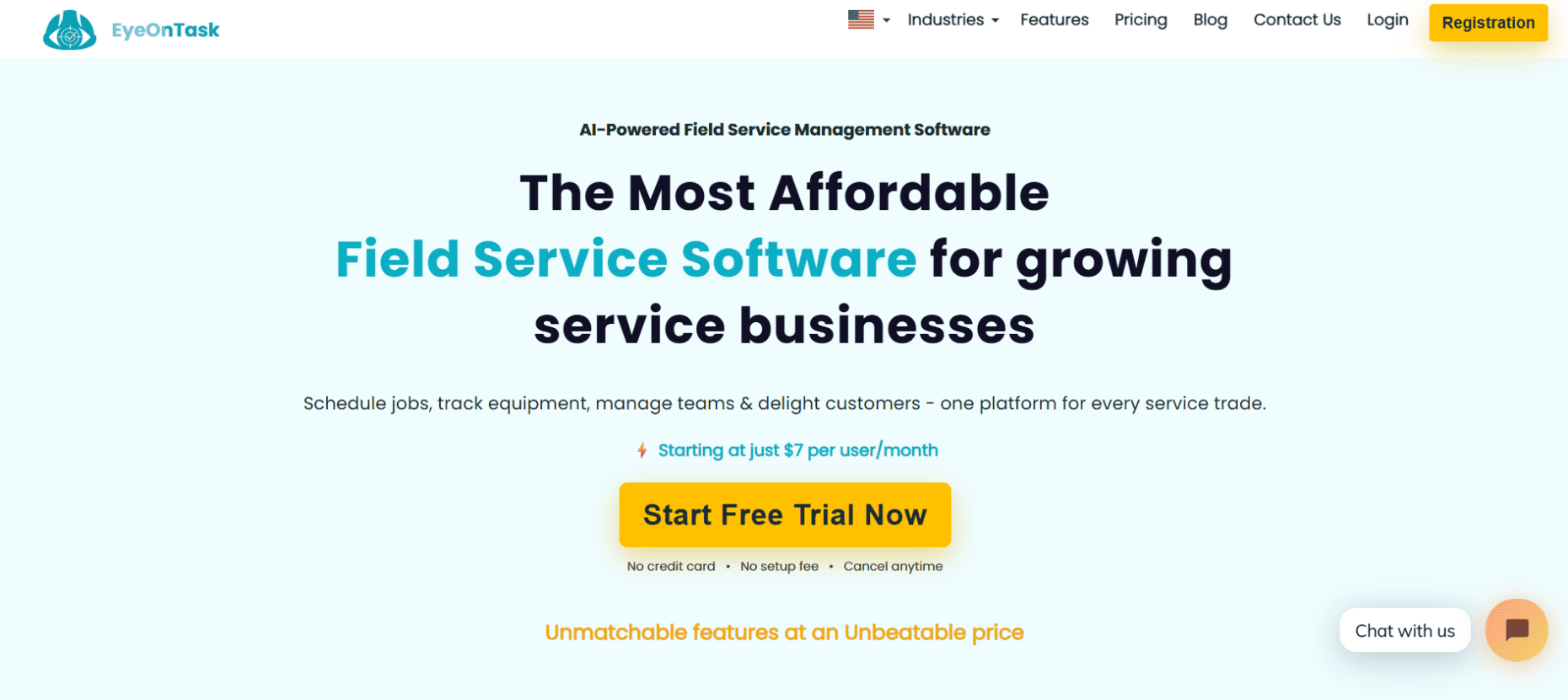
EyeOnTask is a highly versatile, cloud-based FSM that excels in strict workflow mapping, custom reporting, and intricate time tracking across diverse mobile workforces.
Service companies running multiple distinct divisions (eg a contractor that offers commercial HVAC, general cleaning, and specialized plumbing) that need to track everything under one roof.
The Global Edge: A robust international tool whose native multilingual support is a massive advantage in Singapore, seamlessly bridging the communication gap between English-speaking back-office managers and a diverse foreign field crew.
Plans & Pricing: Imperative | Advanced | Premium (Check pricing page for more)
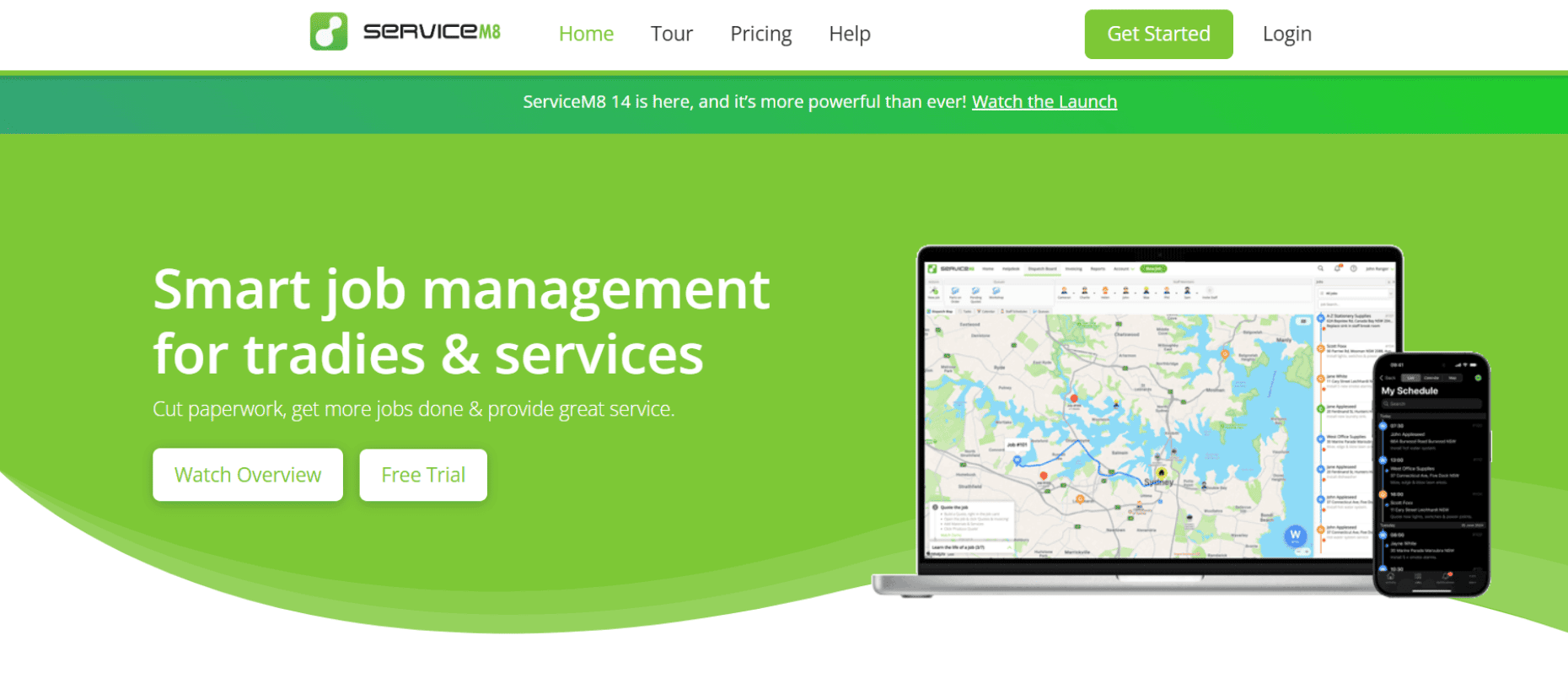
ServiceM8 is a beautifully designed, globally dominant tool that operates strictly on the Apple/iOS ecosystem. It is specifically built to help small trade businesses eliminate paperwork and look incredibly professional.
Small plumbers, electricians, and handymen in Singapore whose entire team strictly uses iPhones and iPads.
The Global Edge: Given Singapore’s extraordinarily high iPhone and iPad penetration rate, ServiceM8 capitalizes on the local Apple ecosystem to deliver a frictionless, highly polished, consumer-grade experience for small trades.
Plans & Pricing: Starter – $29 per mo | Growing – $79 per mo | Premium – $149 per mo | Premium Plus – $349 per mo
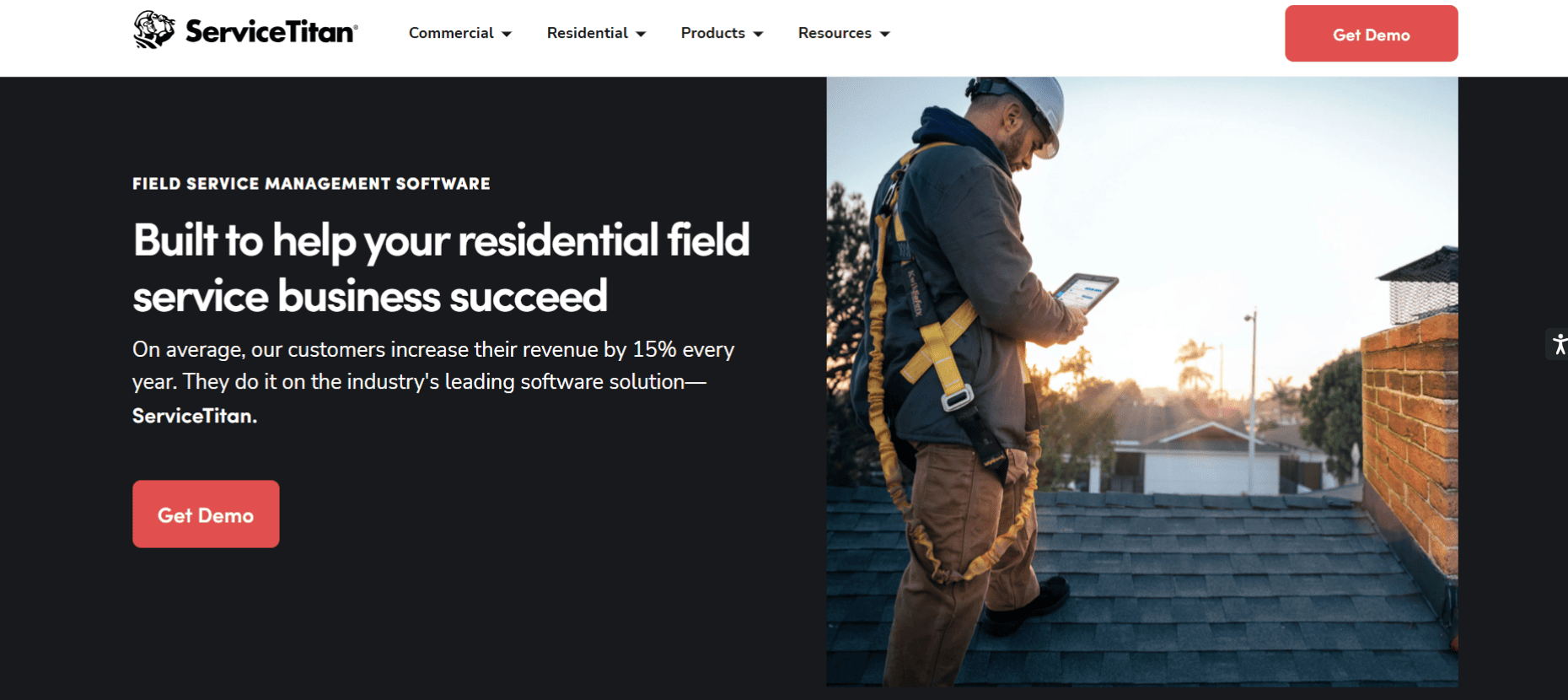
ServiceTitan is the undisputed global giant in the home and commercial service industry. It is less of a simple dispatch app and more of a comprehensive "growth engine" built to turn standard contractors into highly profitable enterprises.
Large, high-revenue MEP and HVAC contractors focused heavily on sales, upselling, and scaling their revenue aggressively.
The Global Edge: While it is a US-centric powerhouse, its unparalleled sales presentation and upselling tools offer ambitious Singaporean contractors a distinct competitive advantage, helping them scale revenues aggressively in a dense, highly competitive commercial market.
Plans & Pricing: Starter, Essential, The Works | Pricing is not publicly listed. Contact ServiceTitan directly.
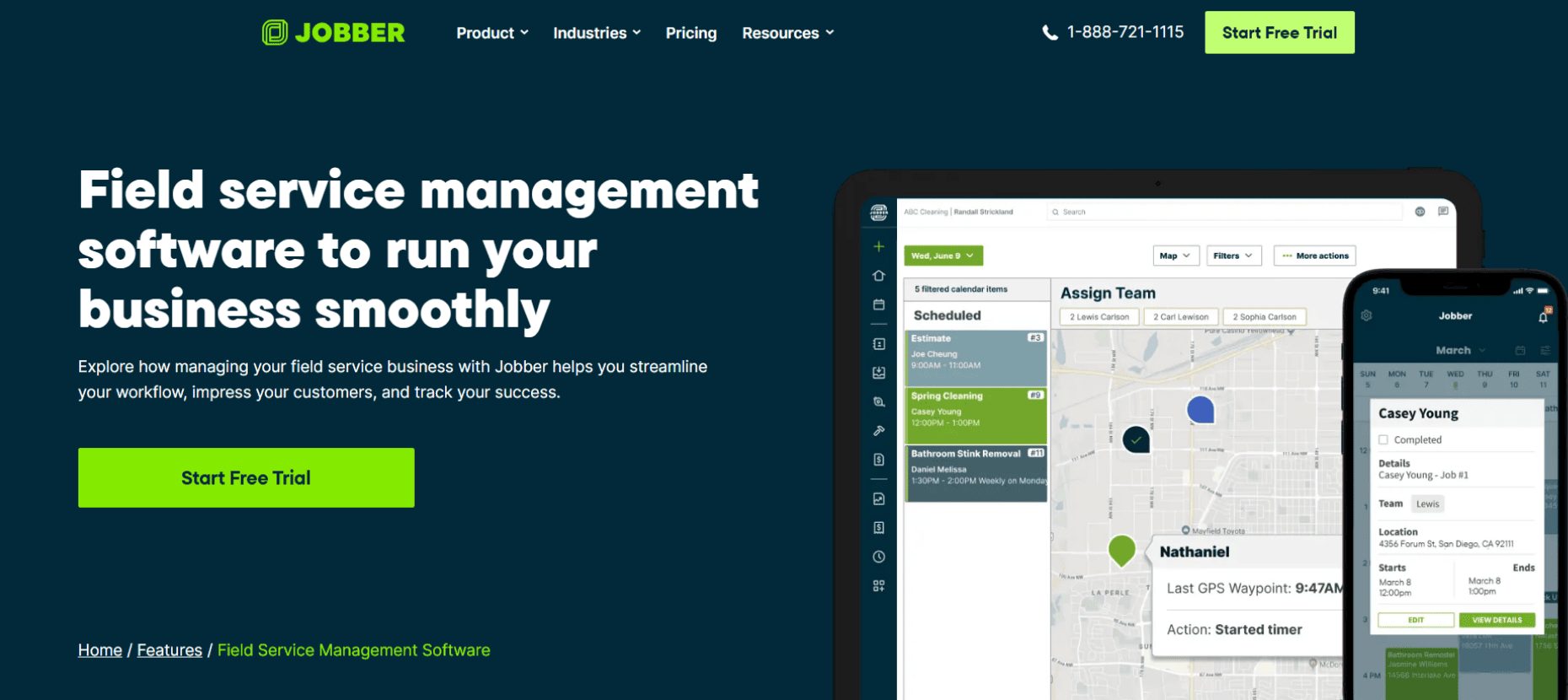
Jobber is a highly approachable, beautifully designed FSM focused on making scheduling, quoting, and client communication as frictionless as possible for smaller service businesses.
Small-to-midsize residential service businesses – particularly landscaping, specialized cleaning, and residential painting crews.
The Global Edge: Its consumer-first client portal sets a world-class standard for customer service, allowing Singaporean residential service providers (like specialized cleaners and landscapers) to offer a modern, digital-first booking and payment experience.
Plans & Pricing: Core – $29 per user/month | Connect – $99 per user/month | Grow – $149 per user/month
Simpro is a robust, end-to-end operations management system explicitly designed for trade businesses that handle multi-phase projects, complex inventory, and massive supplier catalogs.
Commercial electrical, plumbing, and security contractors handling massive commercial fit-outs, progressive billing, and lengthy construction projects across Singapore.
The Global Edge: Originally developed in Australia, Simpro’s deep understanding of complex construction project management translates perfectly to Singapore’s rigorous building sector, ensuring precise progressive billing and compliance for massive commercial fit-outs.
Plans & Pricing: Tiered subscription model. Contact Simpro directly.

Zuper is a modern, highly flexible FSM platform that leverages artificial intelligence to automate complex routing decisions and integrates flawlessly with massive CRM and helpdesk platforms.
Mid-to-large service businesses that want to seamlessly integrate their field operations with their existing customer service stacks (like HubSpot or Zendesk).
The Global Edge: As a rapidly growing global player, Zuper provides Singapore's mid-market with Silicon Valley-grade AI dispatching and flawless integrations with the world's most popular CRM ecosystems, effectively future-proofing fast-growing service teams.
Plans & Pricing: Custom pricing. Contact Zuper directly.
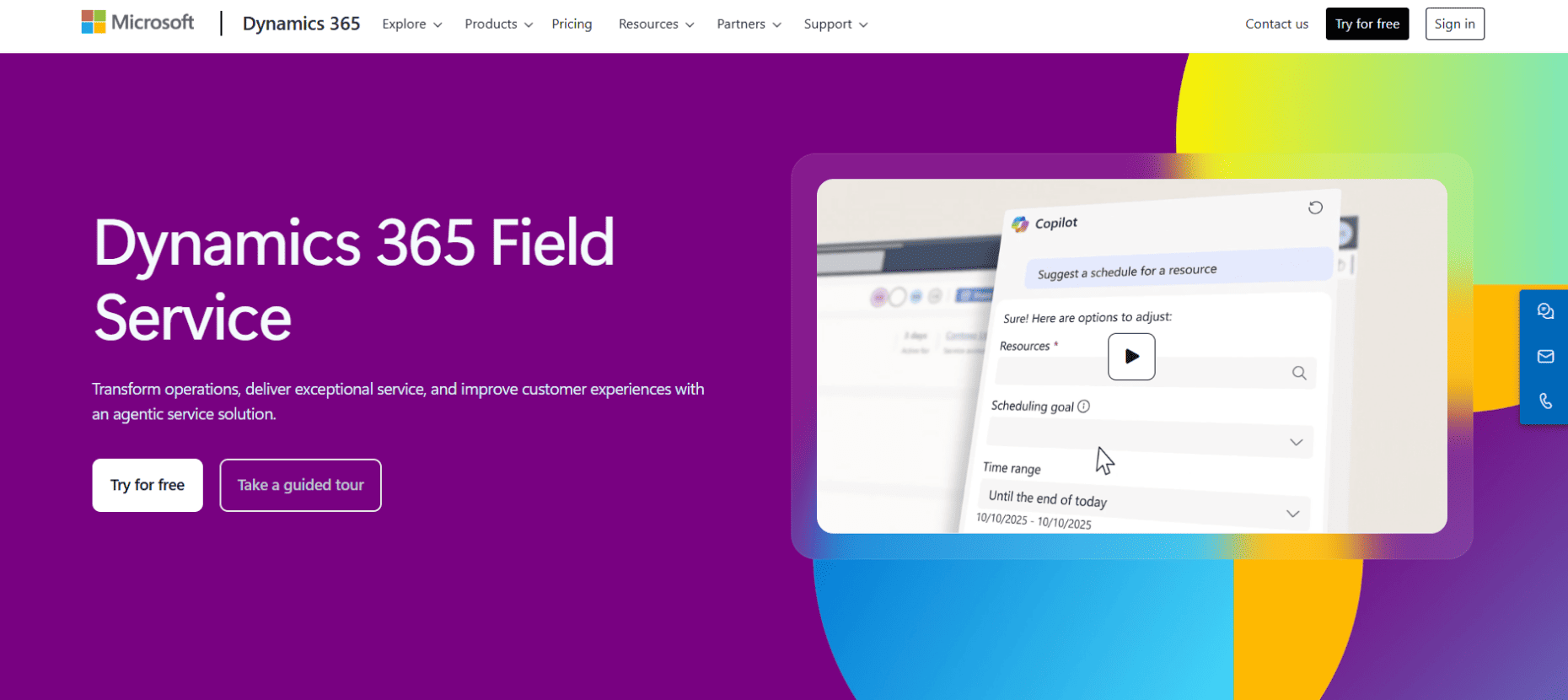
A heavyweight enterprise platform natively built into the massive Microsoft Dynamics ecosystem. Dynamics 365 Field Service is designed to handle the most complex, data-heavy service operations on the planet.
Government-linked companies (GLCs), state infrastructure providers, and massive enterprises already operating deeply within the Microsoft Azure ecosystem who require absolute data sovereignty.
The Global Edge: With Microsoft Azure data centers located right here in Singapore, it fulfills the strict data sovereignty and security compliance mandates required by local government-linked companies (GLCs), public infrastructure providers and state agencies.
Plans & Pricing: Custom pricing. Contact Microsoft directly.
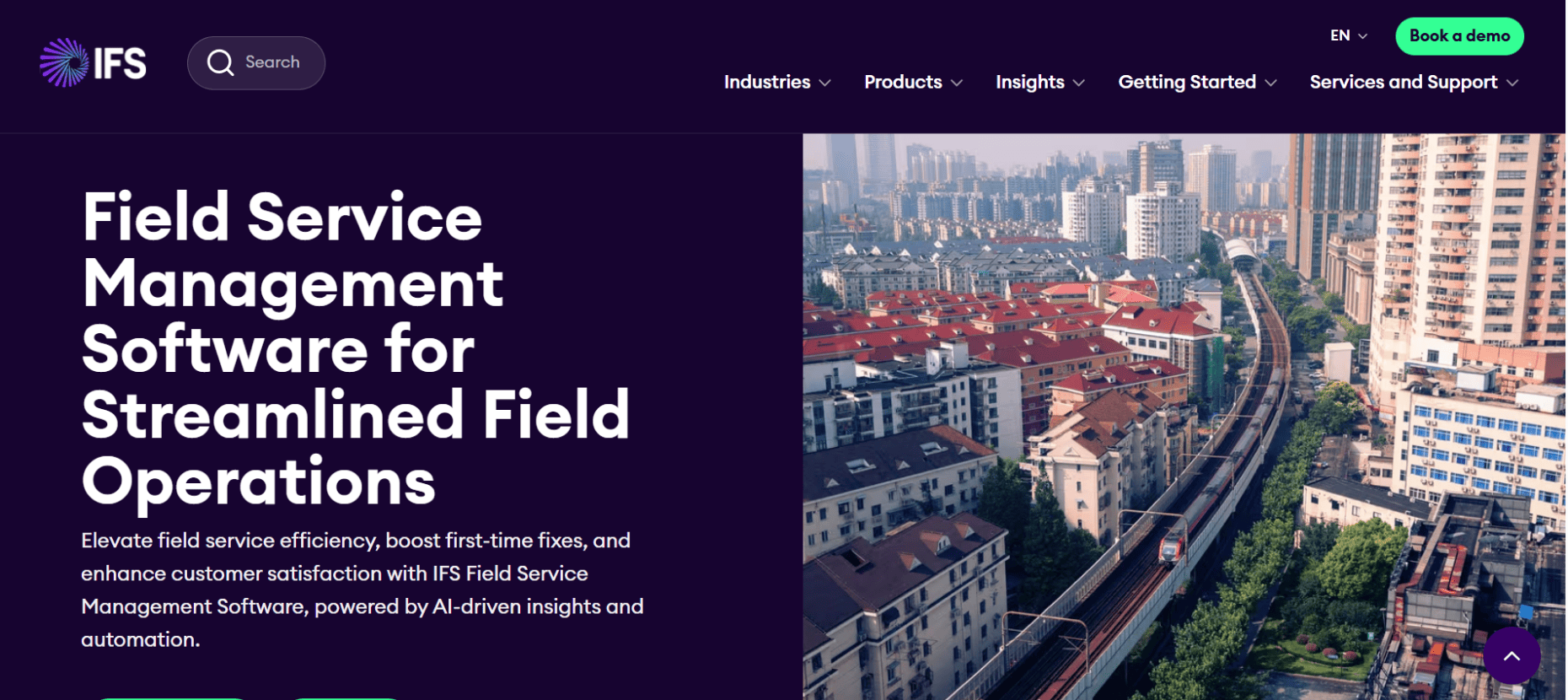
IFS is a global leader in service management, designed specifically for highly complex, asset-intensive industries managing intricate, multi-country supply chains and thousands of technicians.
Multinational aerospace, defense, telecommunications, and heavy manufacturing companies operating massive Southeast Asian hubs out of Singapore.
The Global Edge: Operating globally but highly relevant for multinational corporations using Singapore as their APAC headquarters, it seamlessly manages cross-border supply chains, complex depot repairs, and massive regional engineering fleets.
Plans & Pricing: Custom pricing. Contact IFS directly.
In a high-density, high-cost environment like Singapore, operational efficiency is your only true competitive advantage. Relying on messy whiteboards, scattered text messages, and paper invoices is a guaranteed way to bleed revenue through missed appointments and delayed billing.
Transitioning to a digital FSM platform isn't just an IT upgrade; it is a fundamental shift in how you generate profit.
Ready to eliminate paperwork, optimize your routing, and get paid faster? Start evaluating these top platforms today and empower your field team to do their best work.
While a calendar app simply blocks out time, a modern FSM platform unifies quoting, dispatching, route optimization, and instant invoicing into one mobile-first workflow. It is a complete end-to-end operational tool designed to track the entire lifecycle of a customer’s job, from the initial service request all the way to capturing a digital signature and getting paid.
Unlike standard GPS, FSM route optimization utilizes AI to calculate the most efficient path for a technician across a full day of jobs. Advanced systems factor in live traffic conditions, restricted turning zones, and time-of-day Electronic Road Pricing (ERP) charges, actively minimizing wasted fuel and ensuring technicians spend less time stuck on the PIE.
Relying on physical paper invoices leads to delayed payments and lost revenue. Modern FSM software generates a digital invoice the exact moment a technician marks a job as "Complete" on-site. Many platforms can embed a dynamic PayNow QR code or a secure payment link directly onto the digital invoice, allowing the customer to pay instantly via their phone before the technician even leaves the building.
Yes, but you must ensure the platform has a robust offline mode. Singapore has great 5G, but it drops out in deep B4 basement carparks or shielded manufacturing floors. Your technicians must be able to log parts, take photos, and close jobs offline, with the app automatically syncing when they return to the surface.
In high-density commercial hubs, a technician arriving at a massive commercial address doesn't mean the job starts. They must navigate complex loading bays, exchange IDs for security passes, and wait for dedicated service lifts. A strong FSM allows dispatchers to log these vital, site-specific notes to ensure scheduling is accurate and SLAs aren't breached.
Not necessarily. While some systems cater to specific ecosystems, the vast majority of FSM platforms offer robust mobile apps for both iOS and Android. Your technicians can easily use their existing Android smartphones to access work orders, take photos, and capture customer signatures.
Yes. The Singapore government heavily incentivizes businesses to digitize. Eligible SMEs operating in Singapore with at least 30% local shareholding can receive up to 50% funding support for pre-approved FSM solutions through the Productivity Solutions Grant (PSG).
Double data entry kills productivity. A proper FSM platform integrates natively with your accounting software – tools like Xero and QuickBooks are heavily utilized in Singapore – so invoices sync the moment a job is closed. This eliminates the need for your administrative staff to manually re-type field invoices into your ledger.

.avif)


This website and its content are the property of FieldEx and are protected by copyright laws. © 2026 FieldEx. Any redistribution or reproduction of part or all of the contents in any form is prohibited, except with our express written permission.
FieldEx Pte Ltd Singapore