

%20(1).png)
For the last decade, buying an EV charger felt a lot like buying a very expensive extension cord. You paid $600 (or $50,000 for commercial units), bolted it to the wall, and it did exactly one thing: moved electrons from Point A to Point B. It was a liability – a necessary "sunk cost" to keep your fleet or family moving.
But the script has flipped.
We’re leaving the era of "dumb" charging and entering the age of bidirectional and grid-interactive hardware. The charger is no longer just a plug; it is a financial instrument. It’s a gatekeeper that can arbitrage energy rates, sell power back to the utility, and save you thousands in electrical upgrades.
If you’re still buying "dumb" chargers, you’re leaving free money on the table. Here’s the definitive guide to the hardware that actually pays for itself.
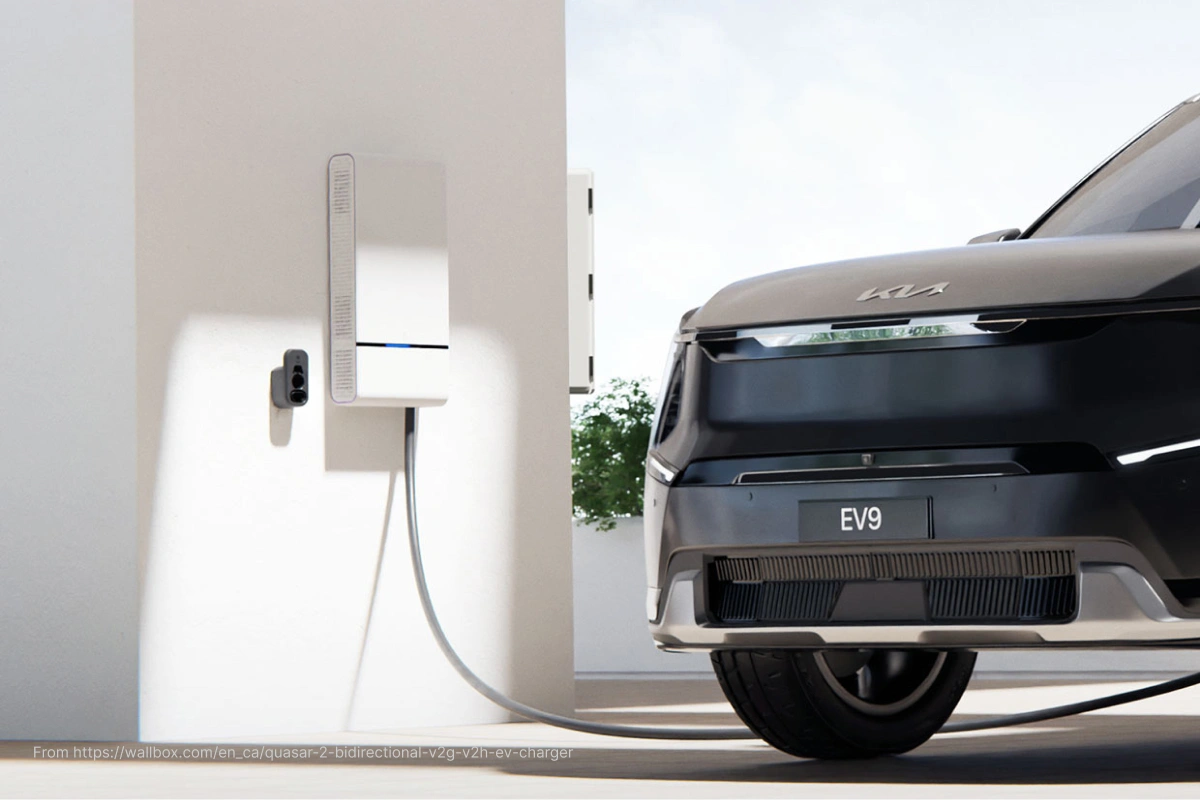
If you want a charger that acts like a day trader for your electricity bill, this is it. The Quasar 2 is a native DC bidirectional charger that bypasses the car’s onboard converter, allowing for high-efficiency power flow in both directions.
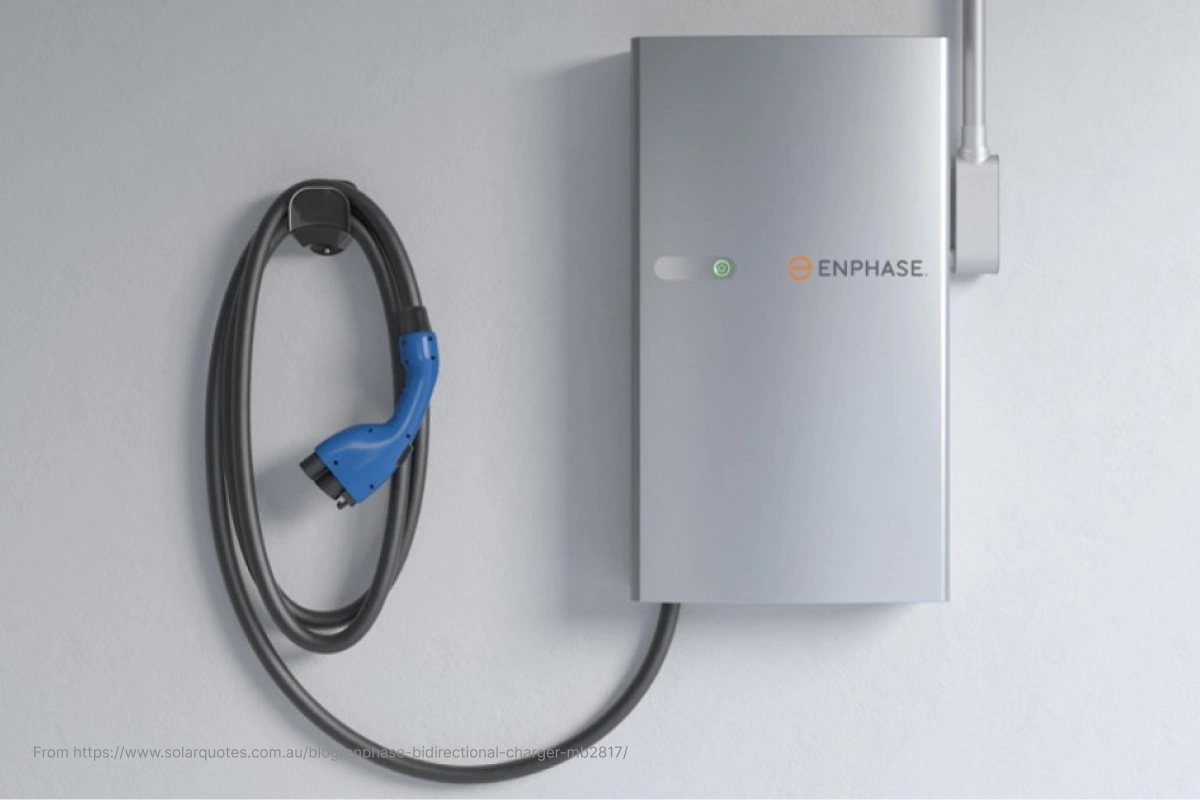
Enphase is playing 4D chess here. Their new bidirectional charger doesn’t just talk to the grid; it syncs perfectly with their microinverters and home batteries. It is built on the ISO 15118-20 standard, which is the "golden rule" for future-proof V2G communication. (Enphase, 2025)
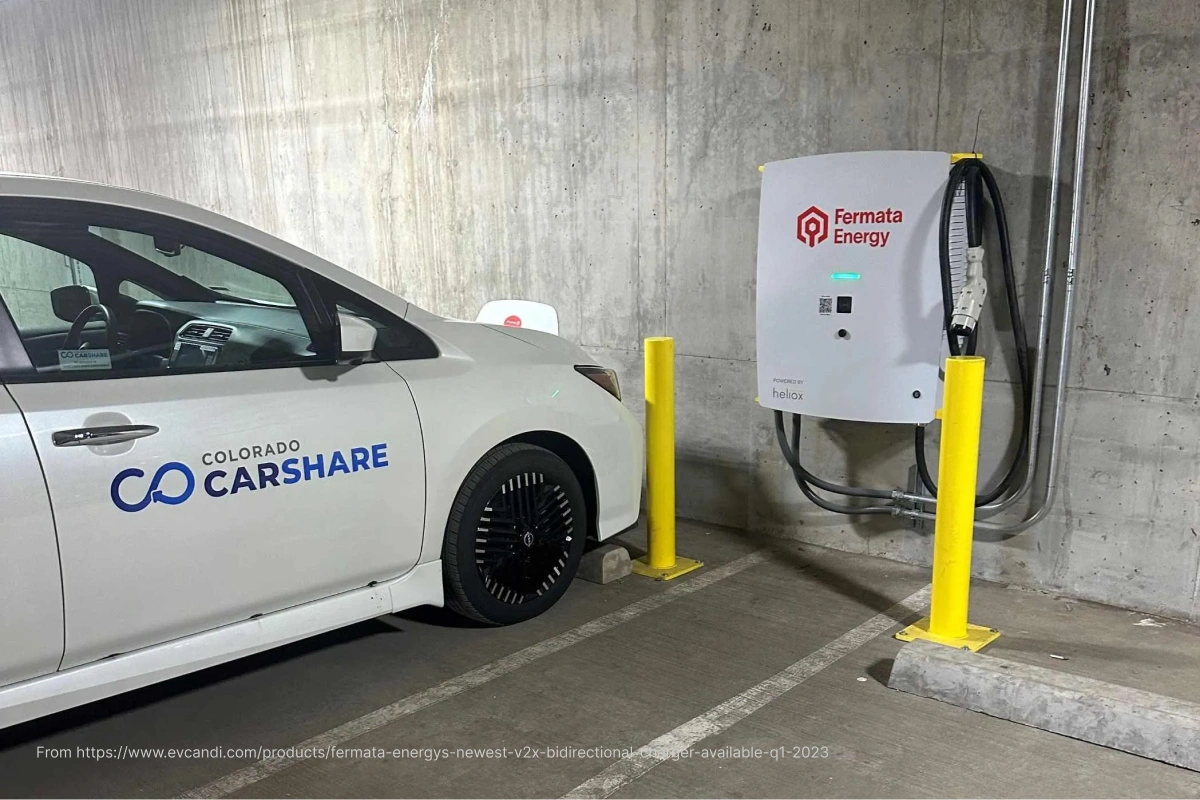
For fleet operators, Fermata isn’t just a hardware provider; they’re a revenue partner. Their FE-20 charger is designed specifically to interface with commercial demand response software.
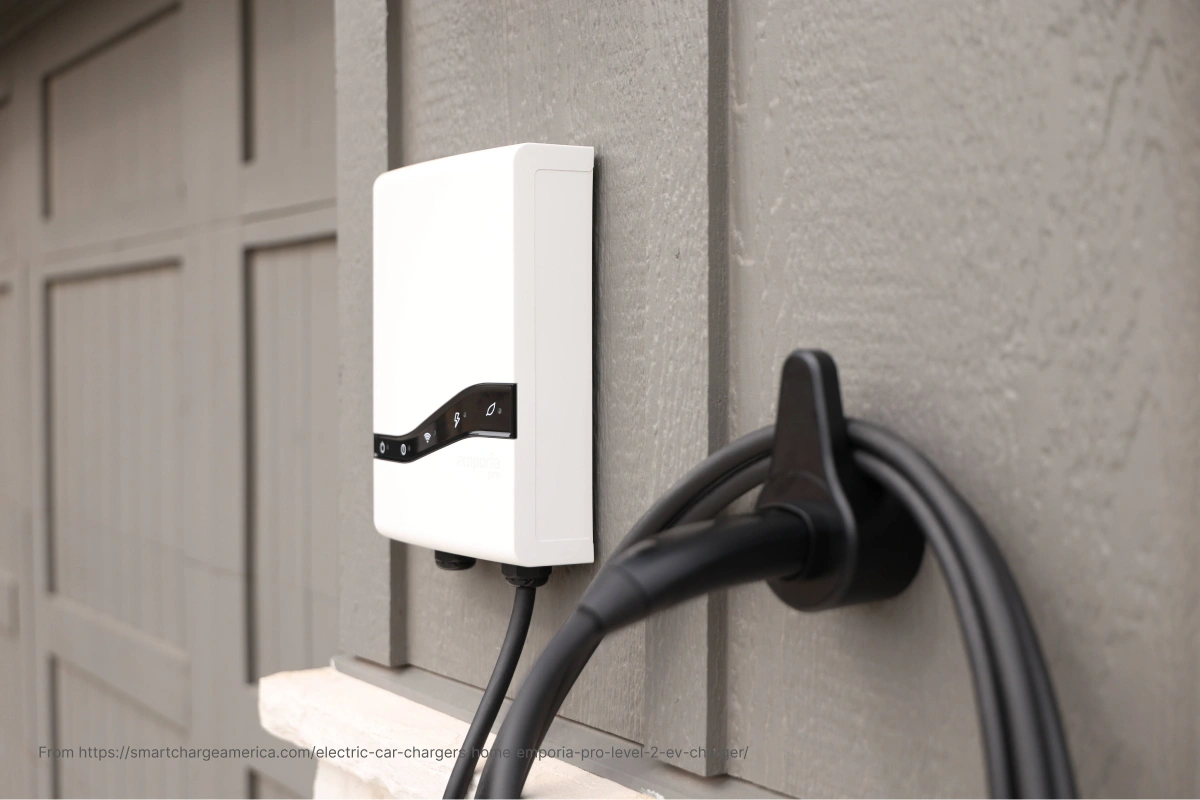
The biggest hidden cost in installing a charger isn't the hardware; it’s the $5,000 quote to upgrade your electrical panel from 100A to 200A. Emporia solves this with load management.
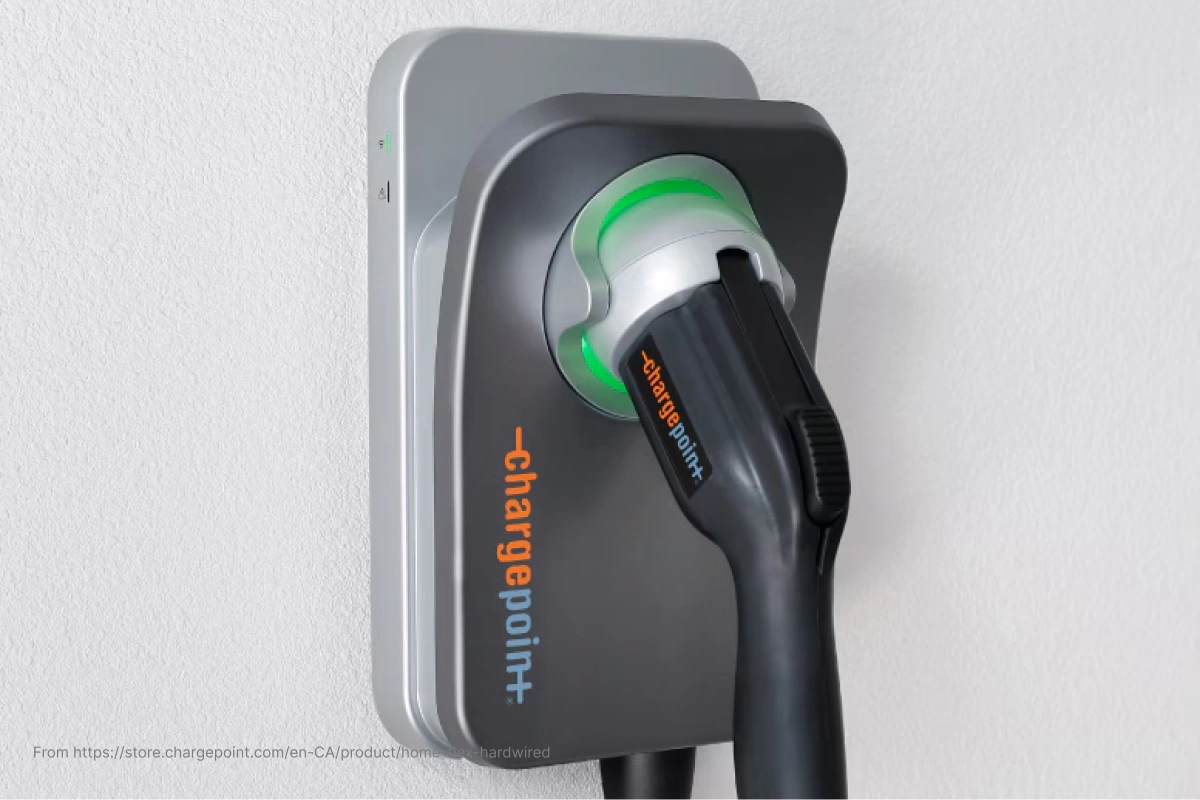
ChargePoint’s secret sauce has always been their app. The Home Flex (and its commercial cousin, the CPF50) integrates directly with local utility rate plans.
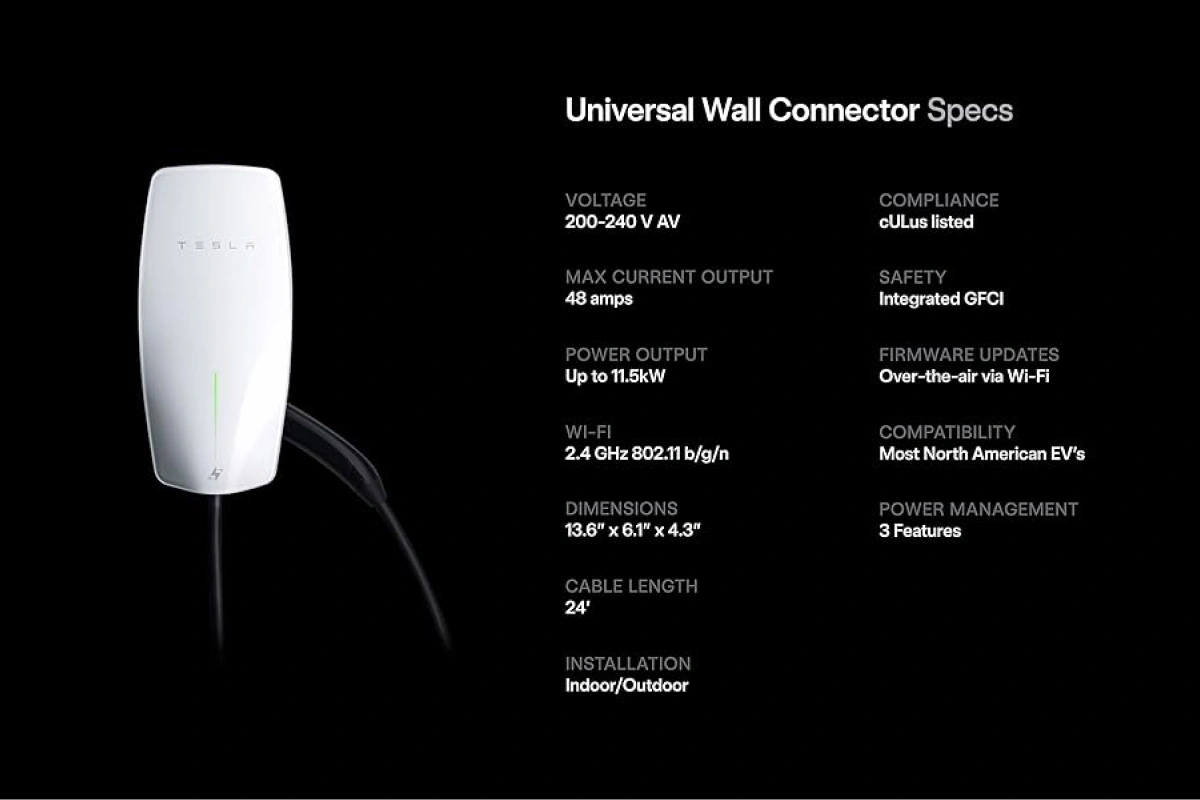
Love him or hate him, Musk’s team knows how to build charging hardware. The Universal Wall Connector features the "Magic Dock" – an integrated adapter that charges both NACS (Tesla) and J1772 (everyone else) vehicles without loose parts.
If you’re running a busy retail site or depot, a broken charger is a disaster. Kempower uses a Modular Power architecture. The power cabinet is separate from the "satellite" post, and it contains multiple smaller power modules (like server blades).
Now, pay attention – a V2G charger that is offline earns exactly $0.
If you buy a Fermata FE-20 to earn grid revenue, but the WiFi chip fails on a Tuesday, you aren't just facing a repair bill – you’re losing the daily revenue that charger was supposed to generate.
The Math: A truck roll to fix a charger costs $500+. If that charger is down for a week, you also lose $100+ in V2G opportunity cost.
The FieldEx Solution: This is where we come in. FieldEx doesn't just dispatch a guy with a screwdriver; we maintain the connectivity and software handshakes that keep these smart assets talking to the grid. We stop "ghost stations" from eating your profits.
Book a free FieldEx demo today to see how we automate the maintenance of the world’s smartest chargers, or simply get in touch. We're here to help.
Does spending more upfront actually pay off? Or is "smart" charging just expensive marketing?
To find out, we ran the numbers on three common scenarios over a 5-year ownership period. The goal: to see if the hardware can actually pay for itself through energy savings and grid revenue.
We didn’t just pull these figures out of thin air. Here is the operational math behind the ROI:
Want to check the math for your specific zip code? Use this simple equation to find your true break-even point:
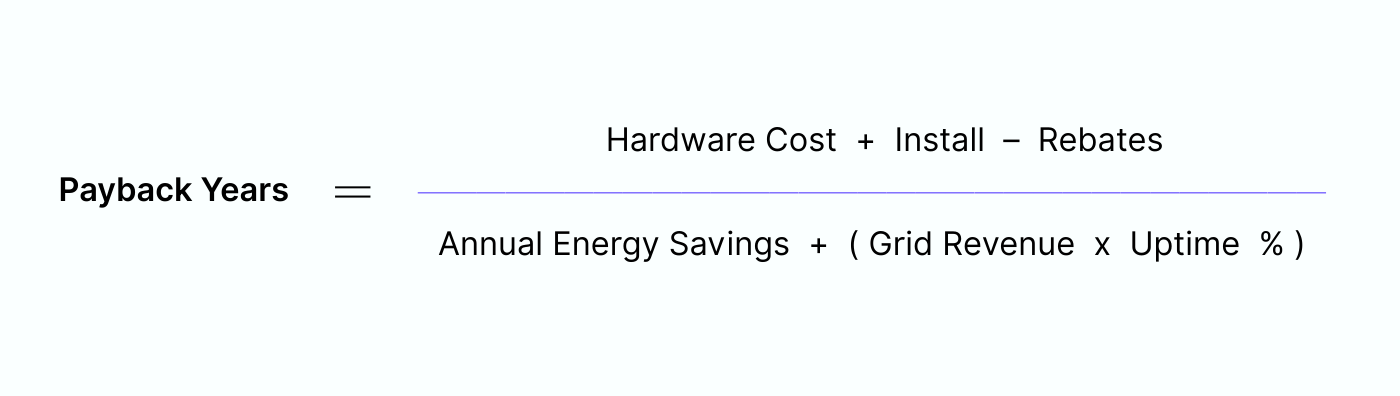
The Rule of Thumb: If the result is under 3 years, the hardware is an asset. If it’s over 7 years, it is just a liability.
Treating your EV infrastructure like a glorified extension cord is a strategic error. Whether you’re a homeowner wiping out your electric bill with a Wallbox Quasar 2 or a fleet manager using Fermata to turn parked vans into a virtual power plant, the hardware now exists to turn a cost center into a profit center.
The winners in this new landscape won’t just be the ones who buy the best hardware; they will be the ones who have the operational backbone to keep that hardware online, connected, and generating revenue 24/7.
Don’t just buy a charger. Buy an asset. And then let FieldEx help you protect it.
It depends heavily on your location, but in active markets with demand response programs, residential users typically see $500–$1,000 per year, while commercial assets can earn significantly more. (Wallbox, 2025)
Usually, yes. Bidirectional chargers often require an interconnect agreement with your utility and sometimes a specific "smart meter" or a gateway device (like the Enphase IQ Gateway) to measure the flow of power back to the grid. (Enphase, 2025)
Yes. The federal "Alternative Fuel Vehicle Refueling Property Credit" (30C) covers 30% of the cost of hardware and installation, up to $1,000 for residents and $100,000 for businesses, provided you are in an eligible census tract. Be sure to check the current expiration dates, as deadlines are approaching. (EV Connect, 2025)
Generally, no. Most modern OEMs (Ford, GM, Tesla, Nissan) explicitly support bidirectional charging in their warranty terms, provided you use approved hardware. However, always check your specific owner's manual. (Tesla, 2024)
V2H (Vehicle-to-Home) allows you to power your own house during an outage (like a generator). V2G (Vehicle-to-Grid) sends power back to the utility company to support the grid, which is where the revenue generation happens. (Fermata Energy, 2025)

.avif)


This website and its content are the property of FieldEx and are protected by copyright laws. © 2026 FieldEx. Any redistribution or reproduction of part or all of the contents in any form is prohibited, except with our express written permission.
FieldEx Pte Ltd Singapore