

.png)
Let’s be honest: for the last few years, this industry treated software like a utility bill – boring, necessary, and preferably cheap. The focus was entirely on the "Land Grab". Get the metal in the ground, secure the site lease, cut the ribbon, and worry about the rest later.
Well, "later" has arrived. And it brought a headache.
In 2026, the shiny white boxes are in the ground, but the operators are realizing that a charger without good software is just a glorified extension cord. The problem isn't getting the cars to plug in; the problem is keeping the stations alive, the energy costs down, and the federal uptime grants safe.
If you’re still looking for a "simple app to take payments", you are solving 2021's problem. Today, with NEVI compliance monitoring and complex fleet energy loads, your software isn't just a cash register – it’s the central nervous system of your business. If it fails, your assets don't just stop making money; they become liabilities.
We’ve tested the market to find the platforms that have moved beyond "Plug and Pray" to true infrastructure control. But before we rank the top 13, we need to clear up the confusion plaguing every RFP in the industry: Are you actually looking for a CPMS, or do you need a CSMS?
If you think these are just synonyms, you might be leaving money on the table. While the industry uses them interchangeably, there is a distinct technical shift happening under the hood, driven by the migration from OCPP 1.6 to OCPP 2.0.1.
The Verdict: Most operators search for "CPMS" because that’s the keyword they know. But to survive in 2026, you actually need CSMS capabilities to manage high-power, mission-critical sites.
We have categorized these platforms not by "who is the biggest", but by "what job they do best”.
Best for: Entrepreneurs and businesses building their own branded charging network.
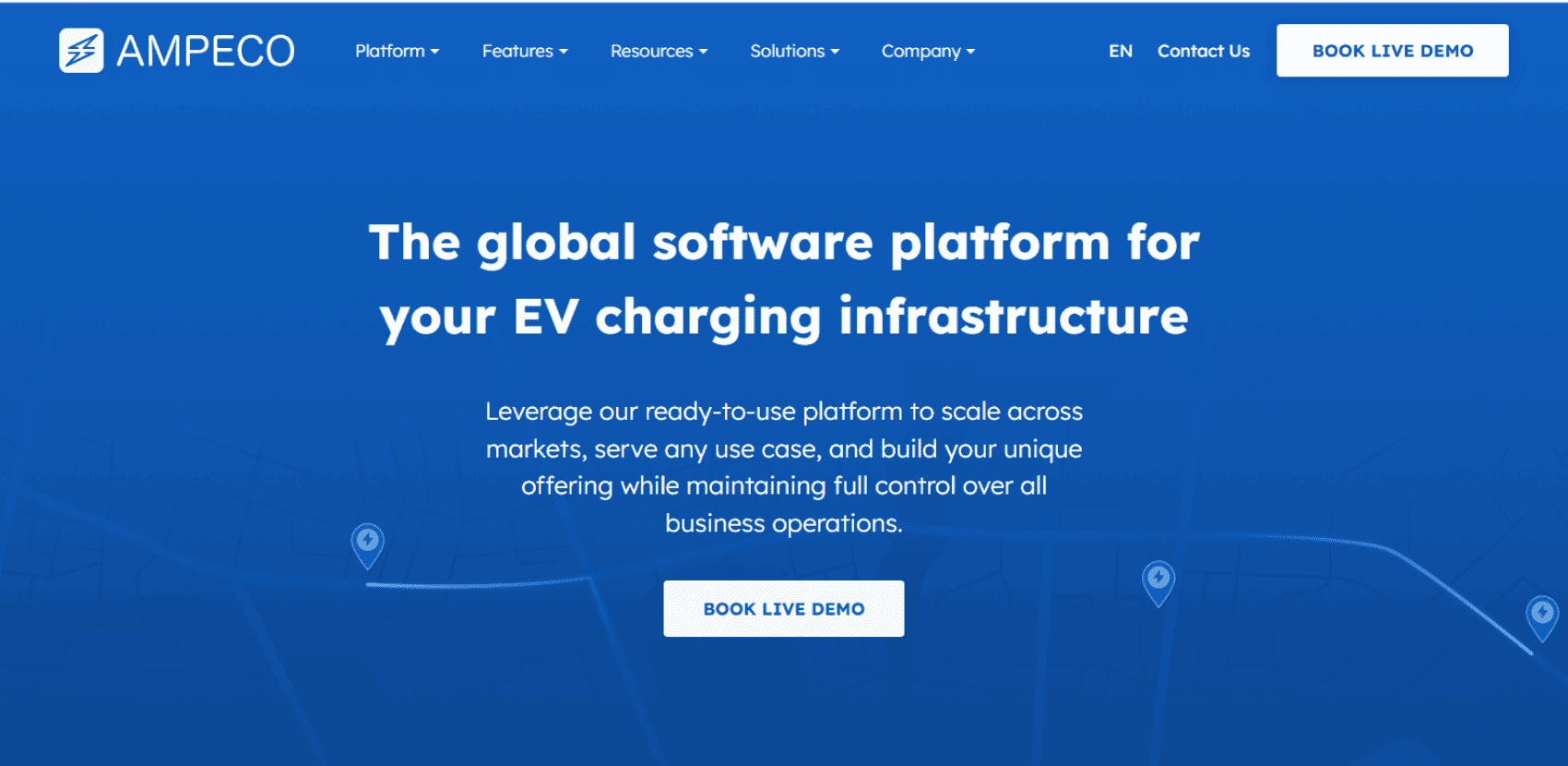
AMPECO has effectively cornered the market for CPOs who want to scale fast without hiring a massive dev team. Their pitch is simple: "You handle the marketing; we handle the engine." They offer a Platform-as-a-Service (PaaS) model that lets you launch a fully branded network – your logo, your app colors, your billing rules – in roughly 4 to 6 weeks. That is ludicrously fast in the utility world. They have also done the heavy lifting of certifying over 40 different hardware manufacturers, so you aren't stuck marrying one charger brand.
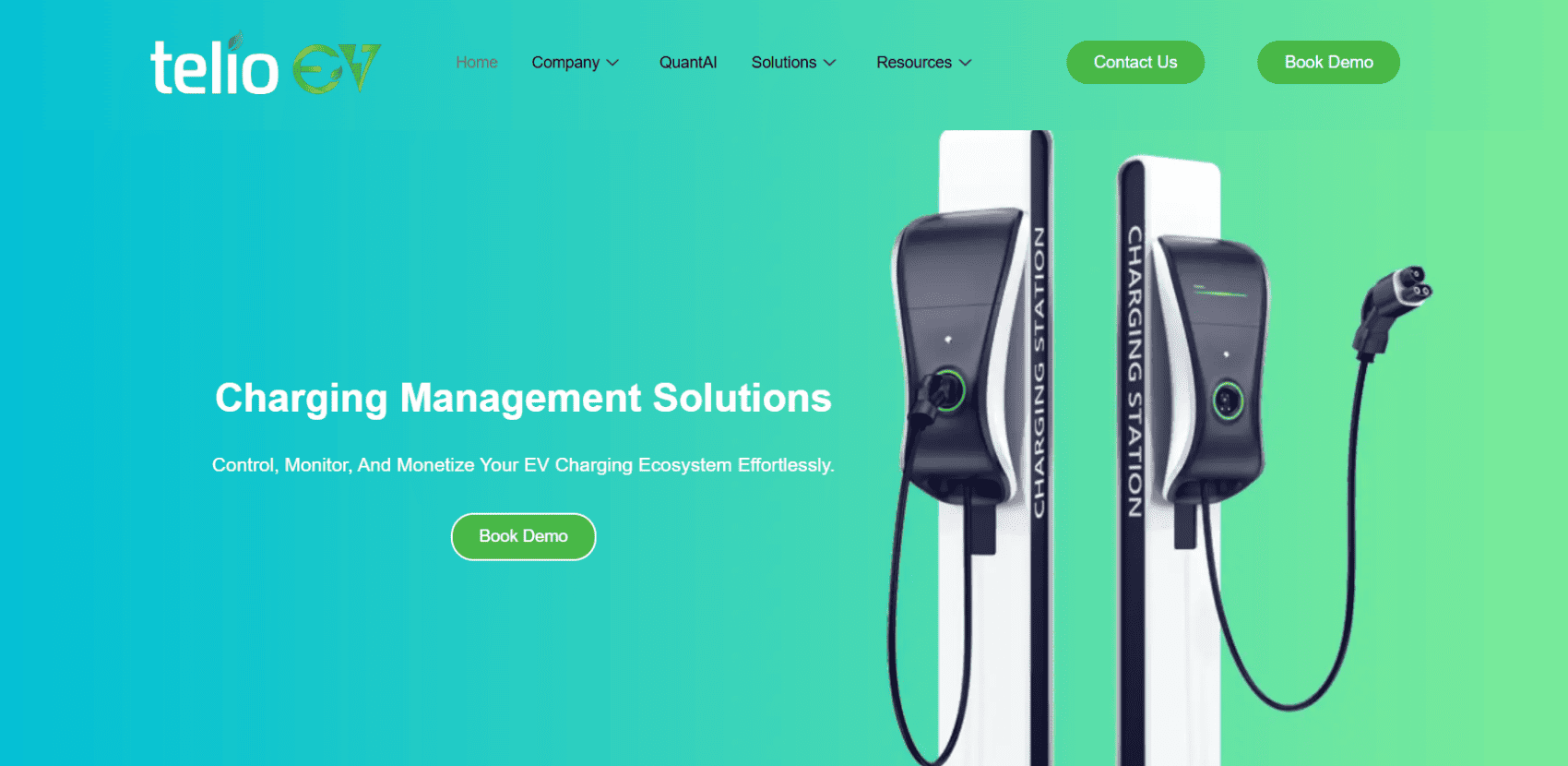
While everyone else fights over Europe and the US, TelioEV has quietly built a fortress in the high-growth markets of APAC and MENA. Their "Discovery Network" puts your chargers on the map alongside 10,000+ other stations, giving new CPOs instant visibility. But their secret sauce is their "digital twin" technology. They visualize your charger’s health in real-time, down to the voltage input. In regions where rolling a truck to a remote site costs a fortune, this remote visibility is the difference between profit and loss.
Solidstudio is the rebel of this list. Every other name here is a SaaS rental – you pay them monthly forever. Solidstudio asks: "Why rent when you can buy?" They offer a license model, meaning you can actually purchase the source code. For a massive enterprise running 5,000+ plugs, this eliminates the dreaded "per-port tax" that eats your margins as you scale. You own the IP, the roadmap, and the security.
Let’s be real – sometimes you don’t need an enterprise battleship; you just need a rowboat. YoCharge lowers the barrier to entry with a "Forever Free" tier for up to 5 stations. It’s the perfect sandbox for a local electrician, hotel owner, or small business to test the waters of being a CPO without signing a terrifying five-year contract. It’s simple, scrappy, and gets you monetizing in days.
Best for: Utilities, Oil & Gas, and Global Infrastructure.
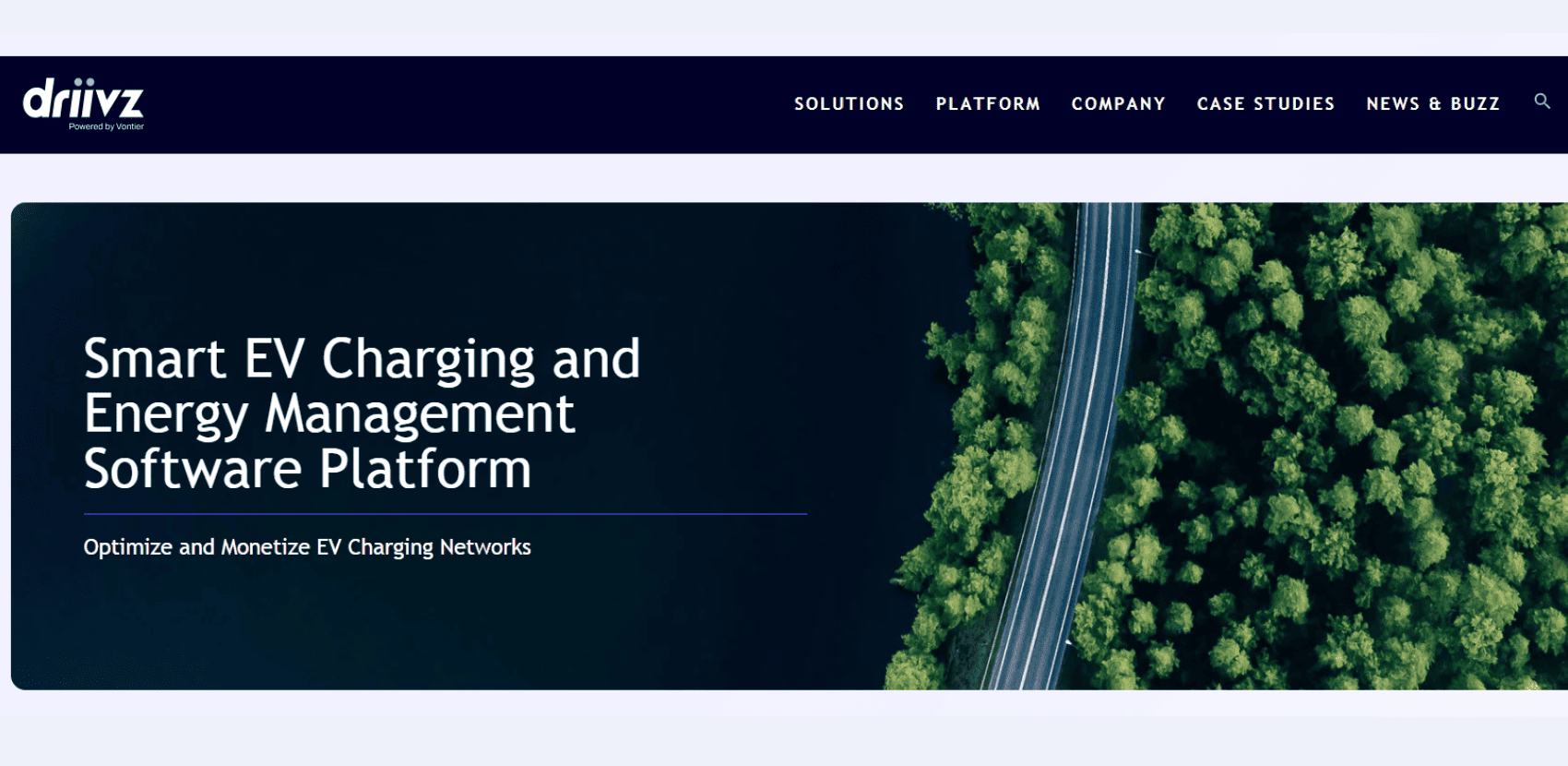
Driivz is the engine room for the giants – think Shell, EVgo, and Volvo. They don't just "bill drivers"; they balance national power grids. Their killer feature is Automated Self-Healing. Their algorithms reportedly resolve up to 80% of operational issues remotely (like resetting a stuck modem) before a human ever sees a ticket. When you manage a country-wide grid, that automation saves millions in truck rolls.
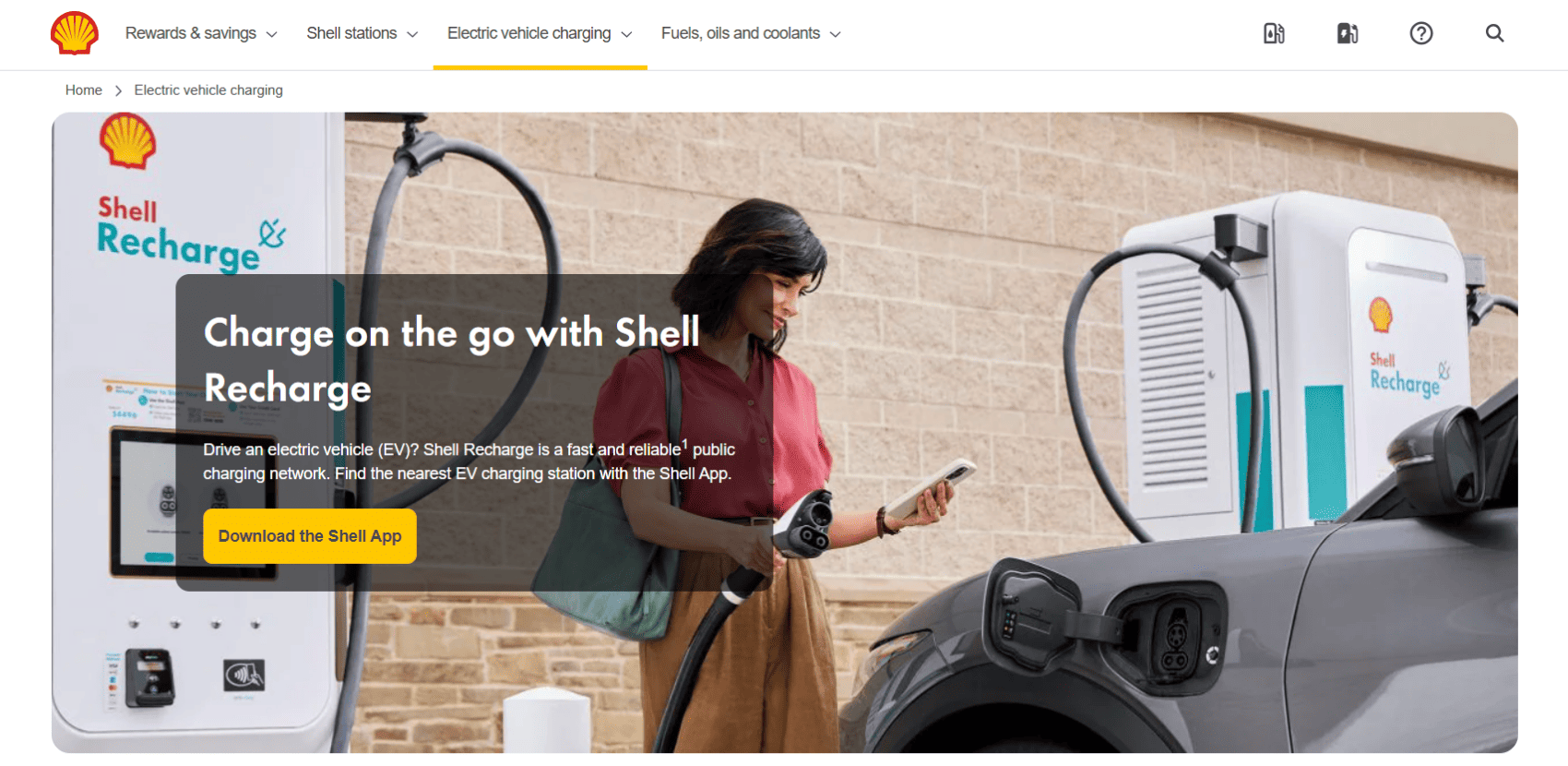
Sometimes, you don't want to piece together a puzzle; you just want a solution that won't get you fired. Shell offers the full package: hardware, software, and the backing of a global supermajor. If you are a corporate procurement officer, "No one ever got fired for buying Shell" is the new "No one ever got fired for buying IBM”. It’s reliable, robust and turnkey.
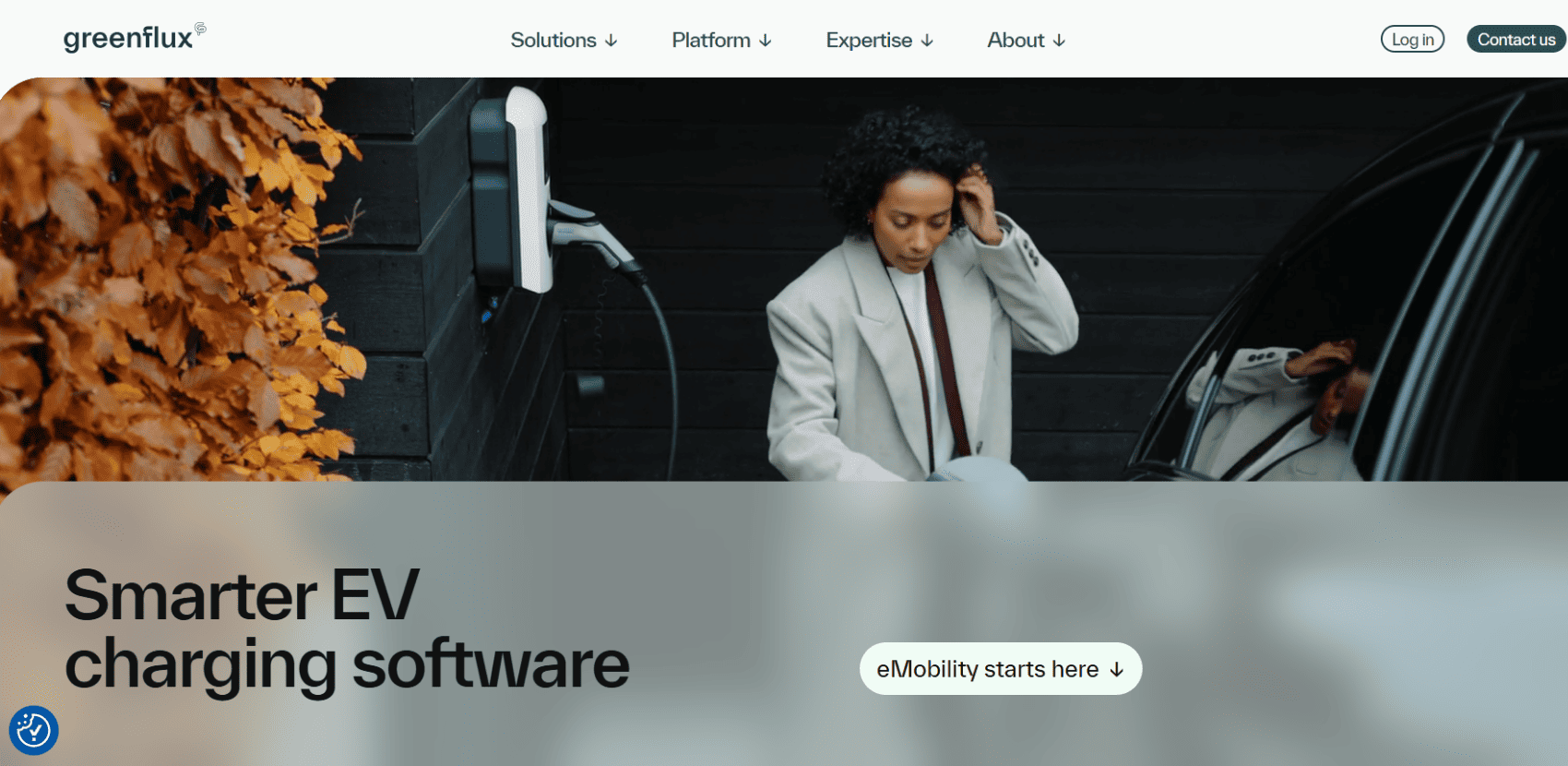
GreenFlux is arguably the smartest "Energy Brain" in Europe. They pioneered cloud-based Smart Charging. In grid-constrained areas (like the Netherlands or California), you often can't just "plug in" 50 chargers without blowing the transformer. GreenFlux’s algorithms dynamically throttle power 24/7 to squeeze more chargers onto a limited connection. They claim to reduce site CAPEX by avoiding expensive transformer upgrades.
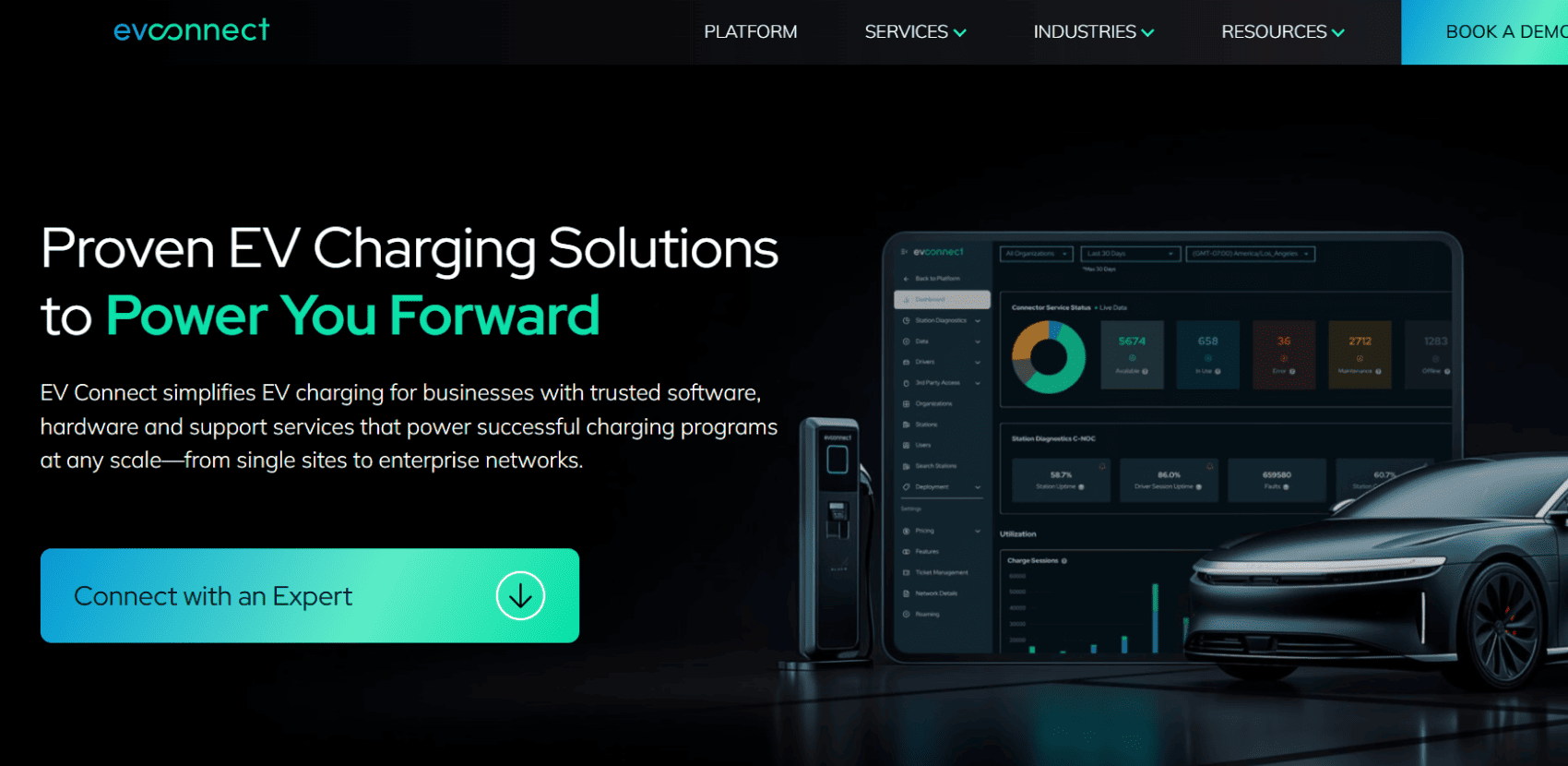
Now backed by Schneider Electric, EV Connect has positioned itself as the neutral, reliable middle ground. Their superpower is their Certification Program. They put hardware manufacturers through a torture test before certifying them. If a charger is "EV Connect Certified", it means it actually works. This reliability has made them the darling of US government and education contracts.
Best for: Depots, Logistics, and Transit.
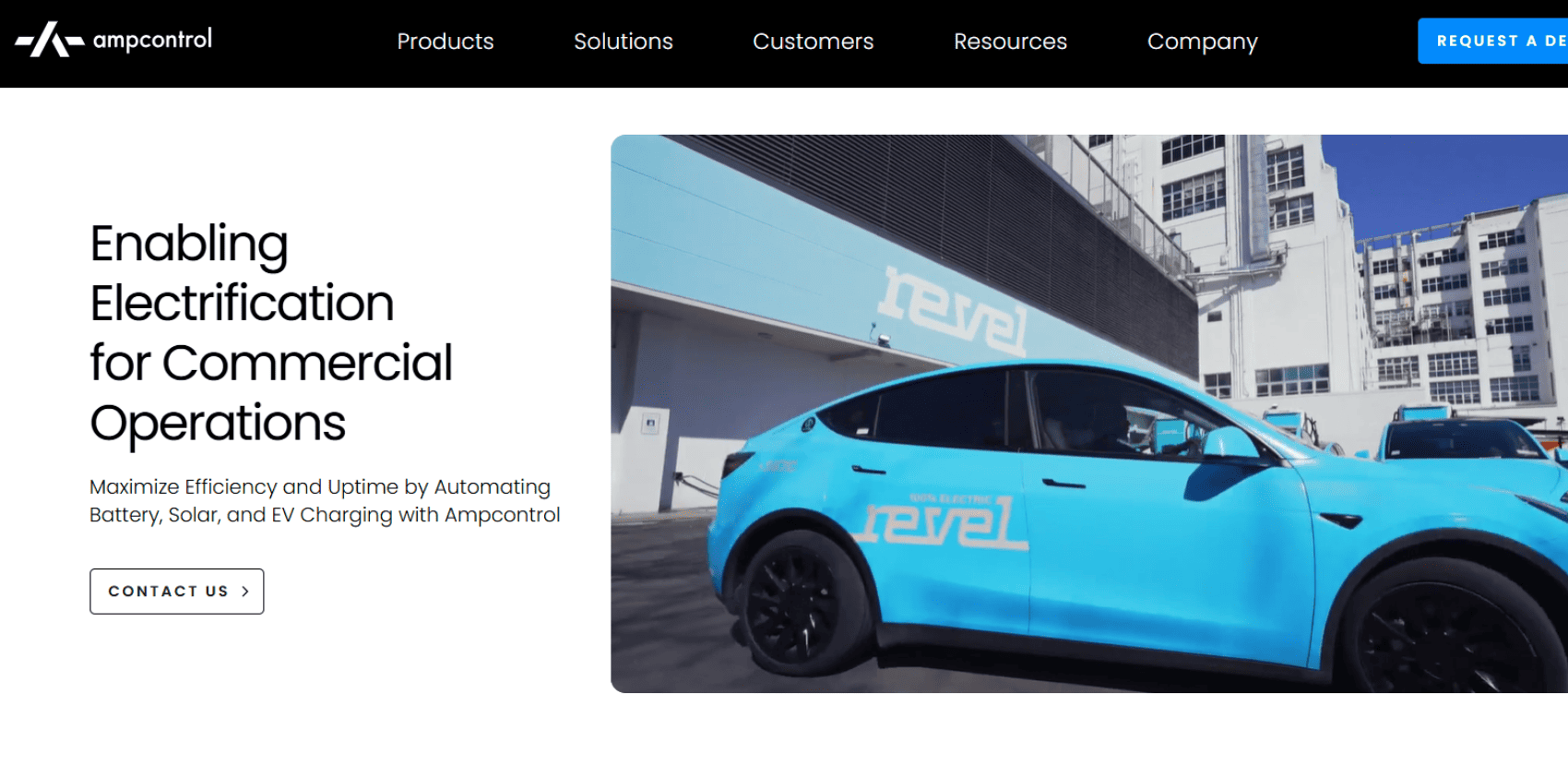
Ampcontrol doesn't care about "billing drivers”. They care about On-Time Departure. Their software uses AI to optimize the charging schedule of every truck and bus to ensure it has exactly enough energy for its route – using the cheapest possible electricity. In a case study with Revel (the rideshare fleet), their AI scheduling reduced energy costs by over 45%. It’s an energy management tool disguised as a CPMS.
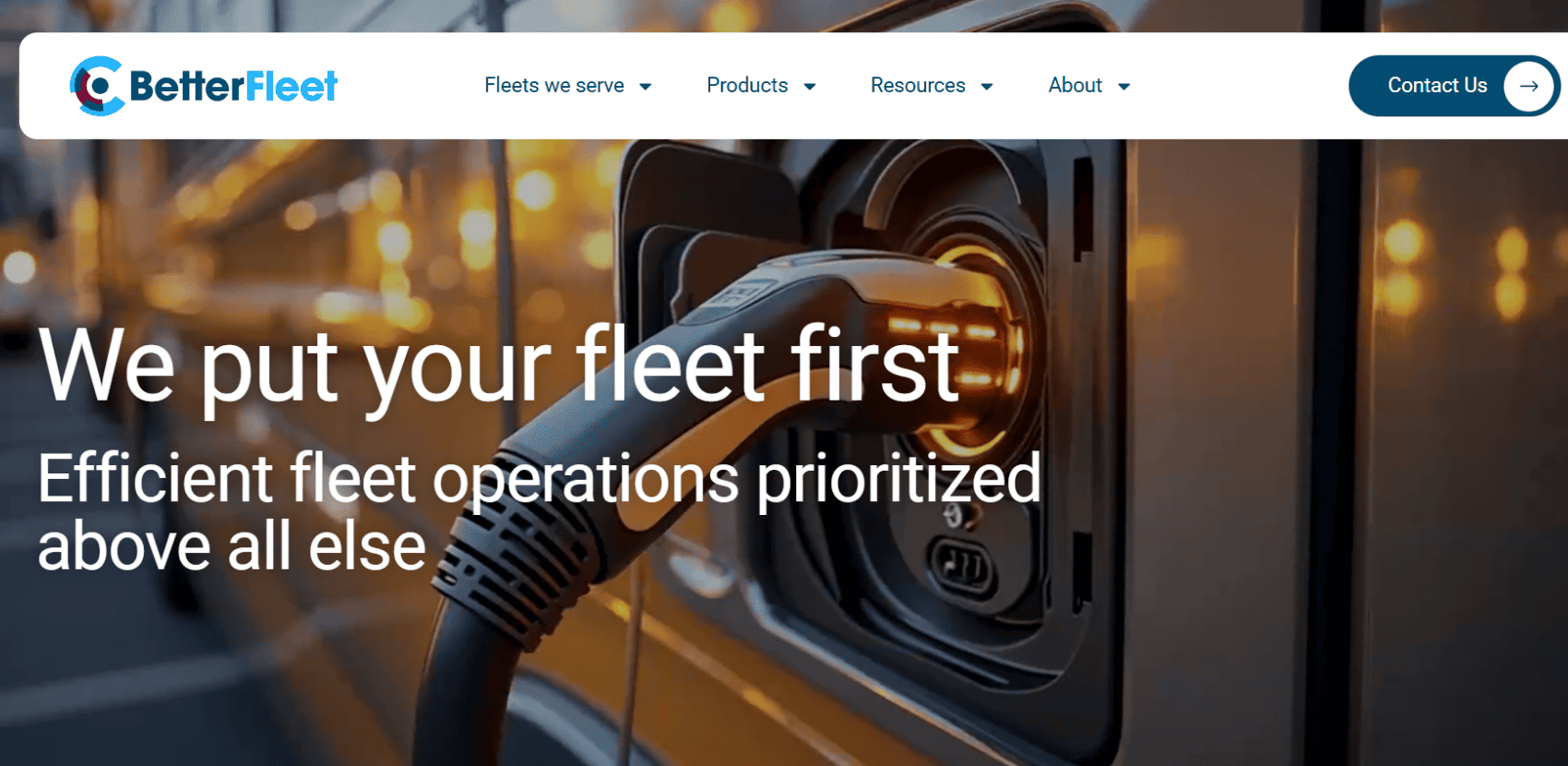
Recently partnered with Blink Charging, BetterFleet goes deeper than just the charger. They ingest data from the vehicle's telematics (the truck's computer) to create a digital twin of your entire operation. They know the truck’s actual battery level, not just what the charger sees. This allows for micromanagement of routes and charging cycles that generic software can't touch.
Best for: Property Managers, Retail, and Hospitality.
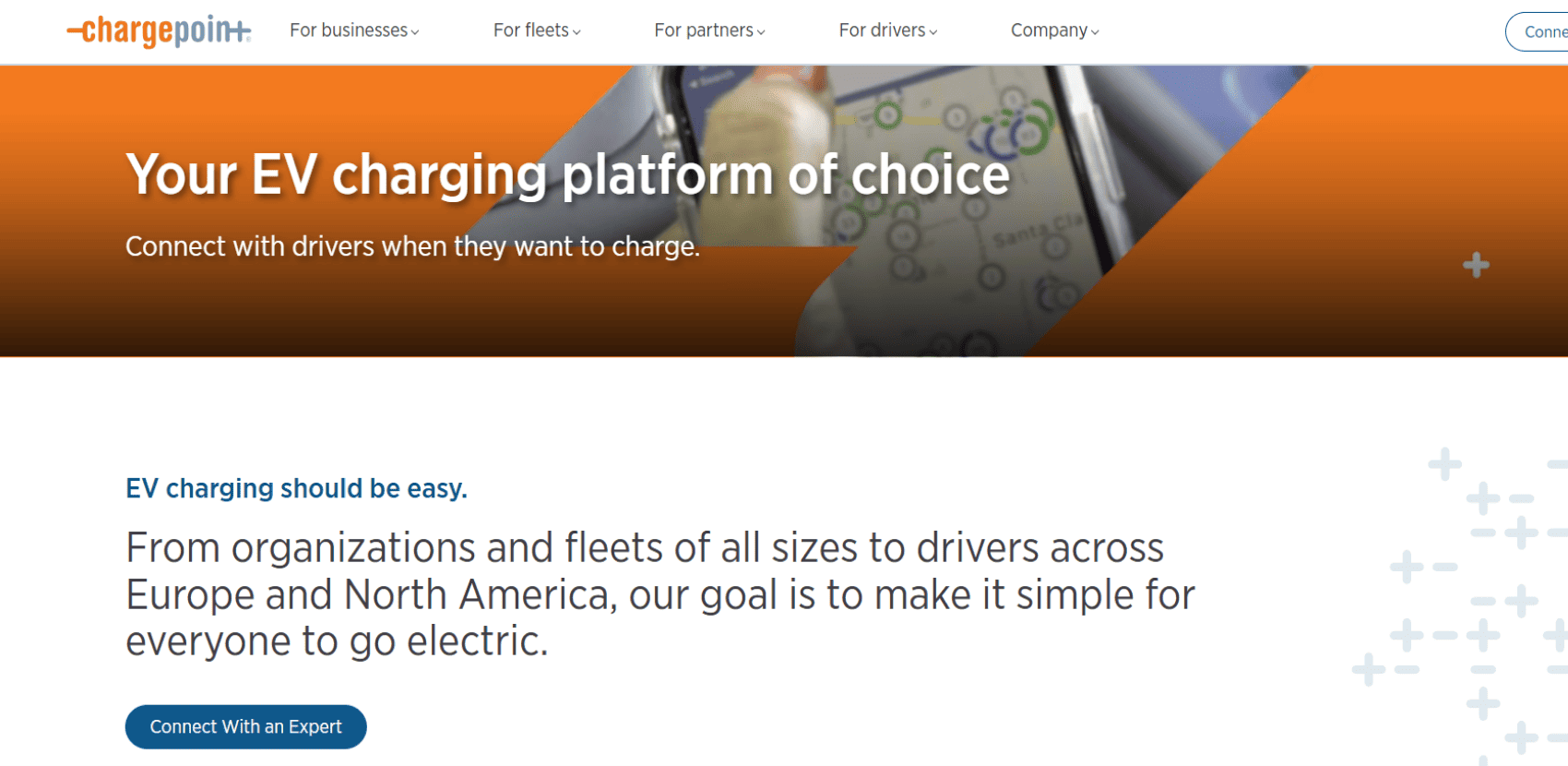
ChargePoint is the definition of a "Walled Garden”. They make the hardware, the software, and the driver app. Because they control the whole stack, it "just works”. Drivers love the app (over 1 million monthly active users), and retailers love the reliability. Putting a ChargePoint bollard in front of your store is an instant signal that you are a premium destination.
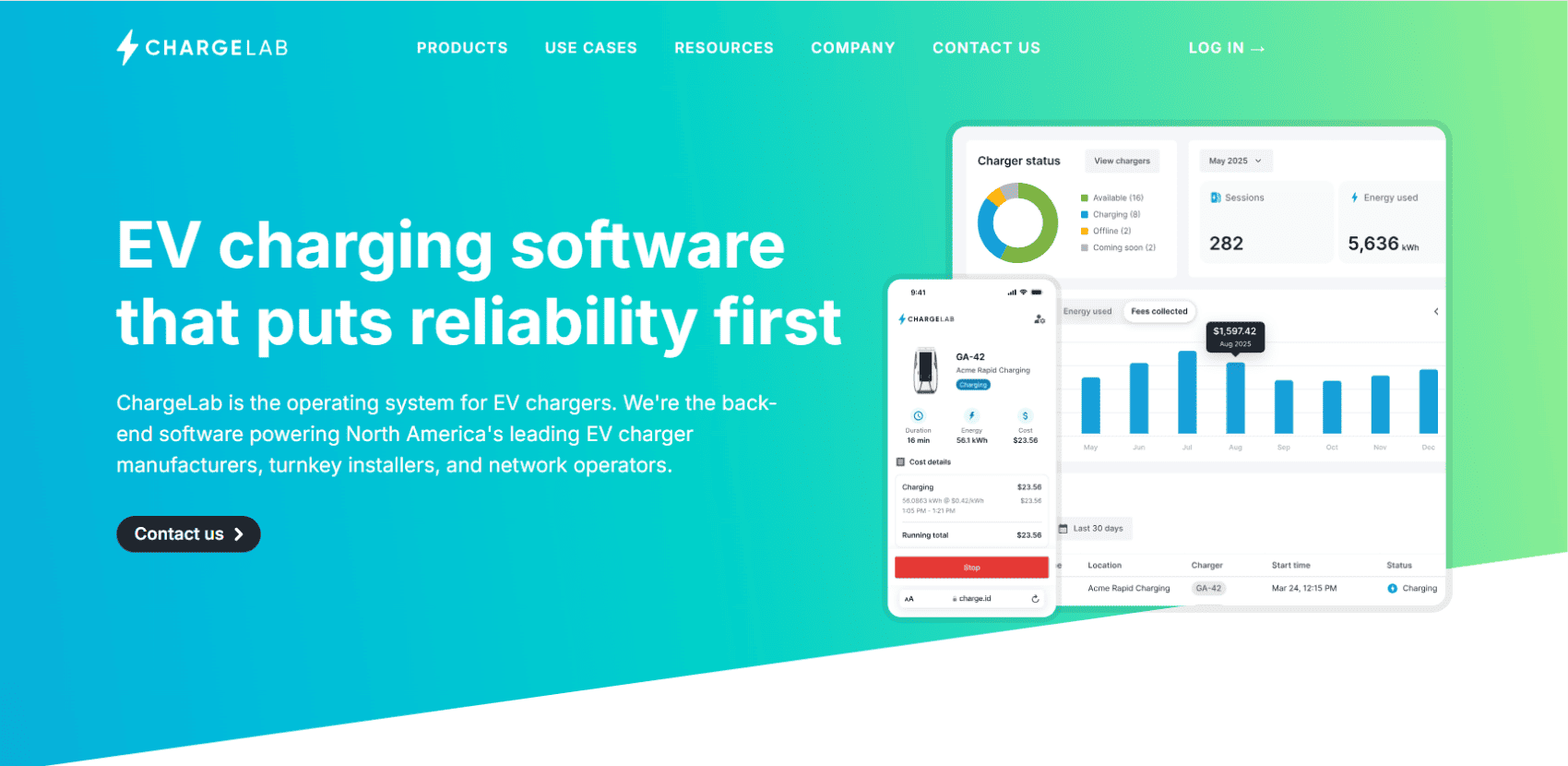
ChargeLab realized early on that Property Managers don't want to be "CPOs" – they just want to offer charging without blowing up the building's fuse box. They currently manage over 15,000 chargers with a specific focus on "Power Sharing”. Their load balancing feature allows 10+ chargers to share a single breaker circuit safely. It solves the physical headache of retrofitting old condos and apartments.
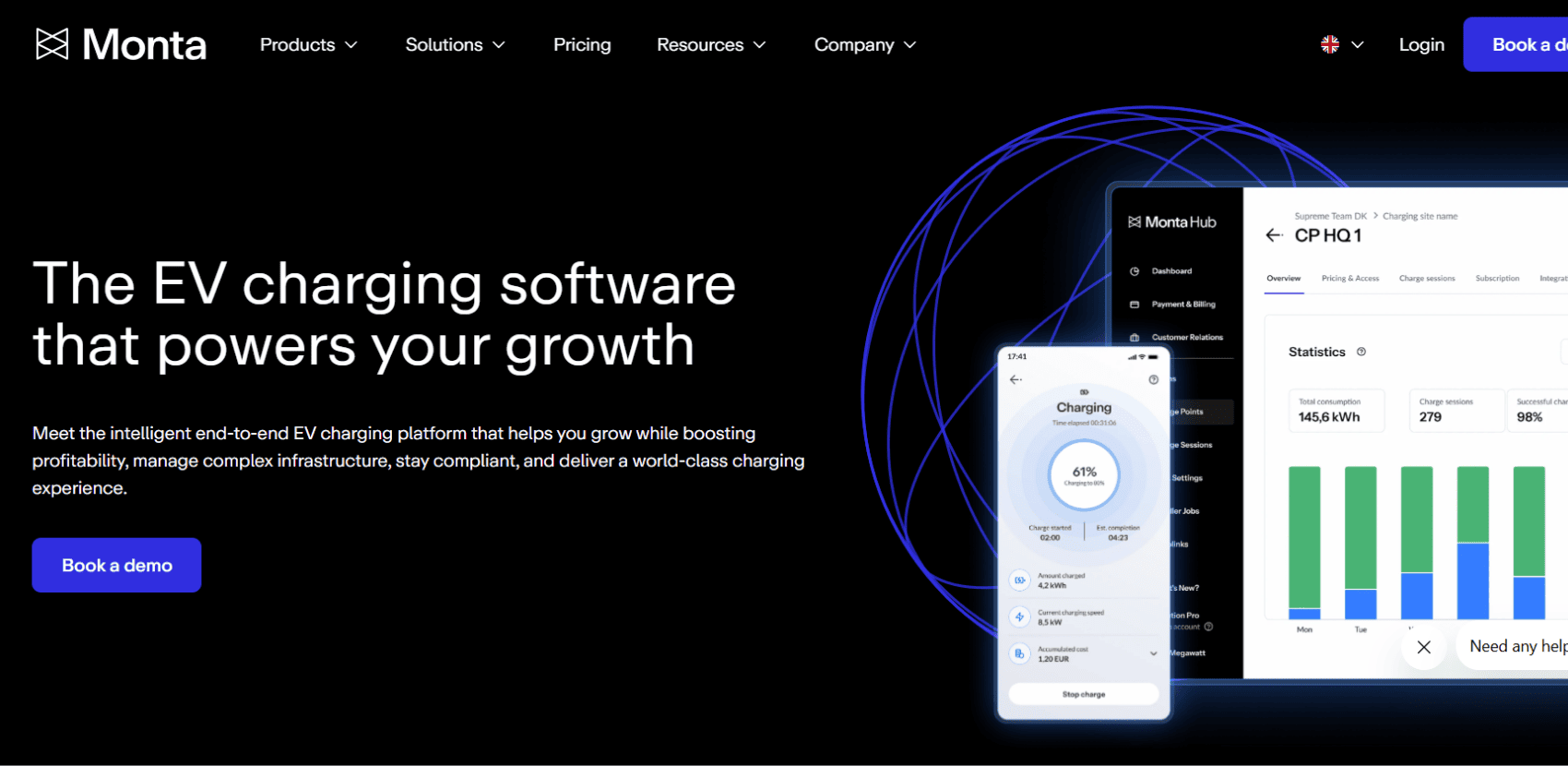
Monta is huge in Europe and is essentially a social network for charging. It connects drivers, site hosts, and installers in one seamless platform. Their "PowerBank" feature is unique – it allows site hosts to earn money by letting the grid pause their chargers during imbalances. It turns a passive asset into an active, money-making participant in the energy market.
Before you sign a contract, ask your vendor about these three trends. If they look confused, run.
Drivers in 2026 will not tolerate fumbling with RFID cards or QR codes. They expect to plug in and walk away, just like a Tesla. Your software must support ISO 15118 to enable this secure, automatic authentication.
Under NEVI rules, you can't just claim 97% uptime on a marketing brochure. You have to prove it by pushing real-time data to a federal API. If your CPMS cannot distinguish between "Charger Broken" and "Internet Down", you will lose your grant funding.
We are moving from "Grid-to-Vehicle" to "Vehicle-to-Grid". The best CSMS platforms are evolving to turn parked school buses into revenue-generating power plants, selling energy back to the grid during peak hours.
Choosing software isn't about features; it's about identity. Are you a marketing company that happens to own chargers? Or are you a logistics company trying to save fuel? Find your persona below to see which platform matches your DNA.
In the early days, EV drivers were pioneers. They accepted glitchy apps, confusing screens, and failed sessions because they had no other choice.
In 2026, those days are gone.
Today's drivers – and fleet managers – are ruthless. They have options. If your software leaves a truck uncharged or a driver stranded, there is no second chance. They will simply drive to the competitor across the street.
The platforms we listed above aren't just administrative tools; they are your frontline defense against churn. Your hardware might get a driver to stop once, but your software is the only thing that ensures they come back.
Think of OCPP 1.6 as "dial-up internet" – it sends basic data (Start, Stop, Meter Value). OCPP 2.0.1 is "fiber" – it sends rich data about the hardware’s health (Device Management), security certificates (ISO 15118), and advanced smart charging profiles. It allows the software to see inside the charger.
Only if you choose "OCPP Compliant" hardware. If you buy a charger that uses a proprietary protocol (closed system), you are stuck with that vendor forever. Always demand Unlocked, OCPP 2.0.1 certified hardware so you retain the leverage to switch software if your vendor underperforms.
Yes, but for a different reason. You don't need to bill drivers, but you do need to manage Energy Costs. Charging 50 trucks at 5 PM when electricity rates are highest will bankrupt you. A fleet-focused CPMS (like Ampcontrol) manages when they charge to save you money.
OCPI (Open Charge Point Interface) allows drivers from one network to charge on another without creating a new account. It’s like using your AT&T phone on a T-Mobile tower. If you want your public chargers to be visible to drivers using apps like Google Maps, PlugShare, or FordPass, your CPMS must support OCPI roaming.
Usually, no. Most CPMS platforms are great at detecting a fault (Error 404), but terrible at resolving it. They don't track spare parts, technician schedules, or warranty claims. This is why mature operators layer a Station OS (like FieldEx) underneath their CPMS to handle the physical repairs.
It means you buy the software engine from a vendor (like AMPECO), but you paint it with your own brand. Your drivers download your app, see your logo, and receive emails from you. The vendor remains invisible in the background.
Yes, almost all modern CPMS platforms handle both. However, DC Fast Chargers require much more sophisticated monitoring (temperature, high-voltage alerts) than simple AC chargers. Ensure your chosen platform has specific dashboards for DC health.
Load Balancing is local: it prevents 10 chargers from blowing the building's main fuse by sharing the available power. Smart Charging is economic: it adjusts charging speed based on the price of electricity or the availability of solar power to save money.
You need a CPMS that offers API-based reporting. You cannot just send a PDF. Your software must automatically push uptime data to the federal database, filtering out "excluded" downtime (like utility grid outages or vandalism) so you don't get penalized for things out of your control.
For management, yes. But for operations, you want Local Survivability. Good chargers (and local controllers) should be able to continue charging vehicles even if the internet connection to the cloud goes down. Ask your vendor: "If the internet cuts out, can my fleet still charge?"

.avif)


This website and its content are the property of FieldEx and are protected by copyright laws. © 2026 FieldEx. Any redistribution or reproduction of part or all of the contents in any form is prohibited, except with our express written permission.
FieldEx Pte Ltd Singapore