

.png)
EV chargers have evolved far beyond simple power outlets – they're sophisticated, liquid-cooled powerhouses pushing 1MW, self-connecting robots, and smart grid participants that can make or break your federal funding if they go down.
For site hosts, fleet managers and technicians, choosing the right hardware isn't just about peak power ratings anymore; it's about ensuring rock-solid uptime and seamless operations.
Here's the complete, no-fluff breakdown of the 14 trends shaping the landscape in 2026.
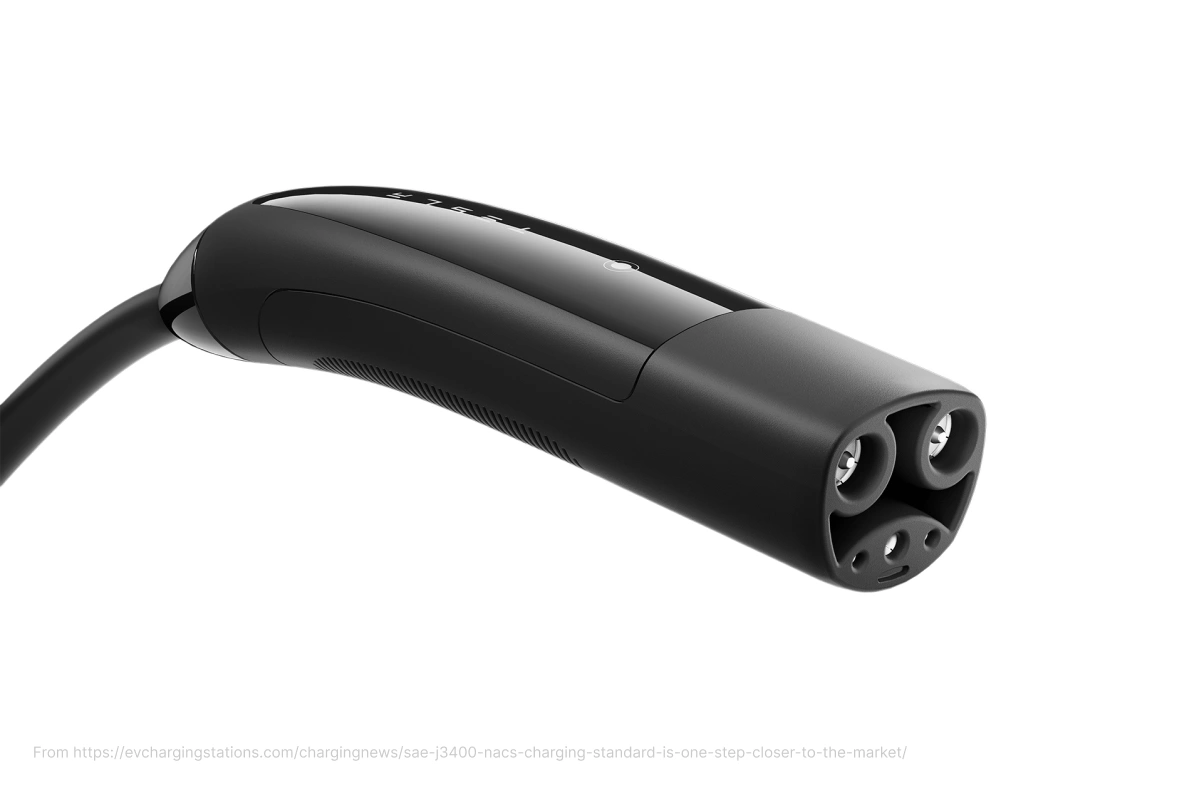
The SAE J3400 standard (formerly known as NACS) has become the undisputed leader, crushing legacy CCS1 and CCS2 connectors across North America. Even export-heavy markets like Japan and South Korea are pivoting to NACS compatibility for seamless access to dense Supercharger networks, leaving old CHAdeMO units behind. This global realignment simplifies things for drivers but ramps up maintenance demands.
The challenge: Liquid-cooled cables handling 1,000+ amps wear out twice as fast, leading to more frequent stockouts and double truck rolls if your inventory isn't dialed in. EVITP-certified techs are now mandatory for retrofits to avoid safety violations and NEVI audit headaches.
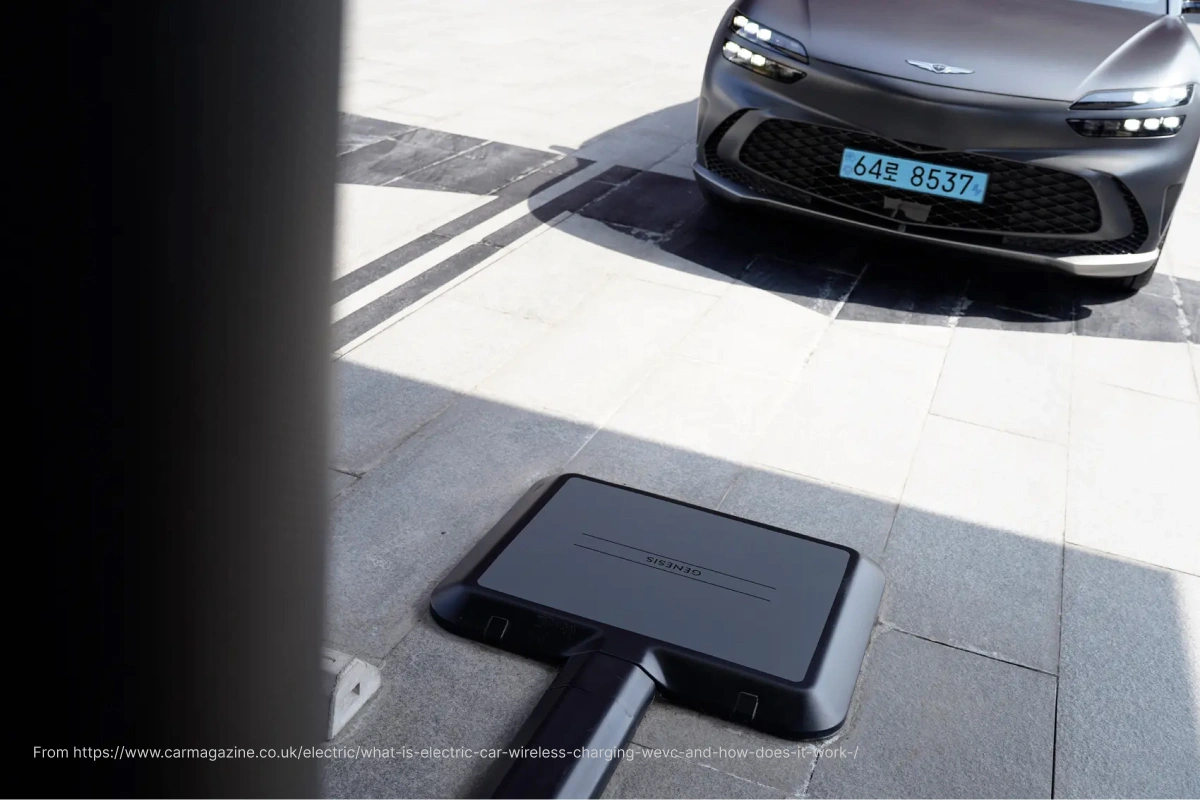
Forget fumbling with plugs in the rain – 11–30kW inductive pads embedded under parking spots at depots, hotels and workplaces are exploding in popularity, letting vehicles charge automatically while parked. Dynamic versions embedded in highways are now moving beyond pilots to real-world testing. The market is projected to grow from $31.9 billion in 2026 to $514.2 billion in 2035, at a CAGR of 36.2%. (Global Market Insights)
The catch: Dust buildup and coil misalignment can slash efficiency by 25-40%, requiring laser-precise technicians for quarterly calibrations and ISO certifications.
Ultra-fast 350–1,000kW DC chargers are going mainstream for 800V EV architectures, delivering 80% state-of-charge in just 15-20 minutes and paving the way for next-gen solid-state batteries. These systems rely on advanced power electronics to handle the extreme voltages safely and efficiently. (Huawei Trends 2026)
On the operations side: Arc flash risks skyrocket, making Lockout/Tagout procedures with photo proof non-negotiable before any cabinet access. Silicon carbide tech makes it all possible in a compact footprint, but only if your team has the right high-voltage certifications.
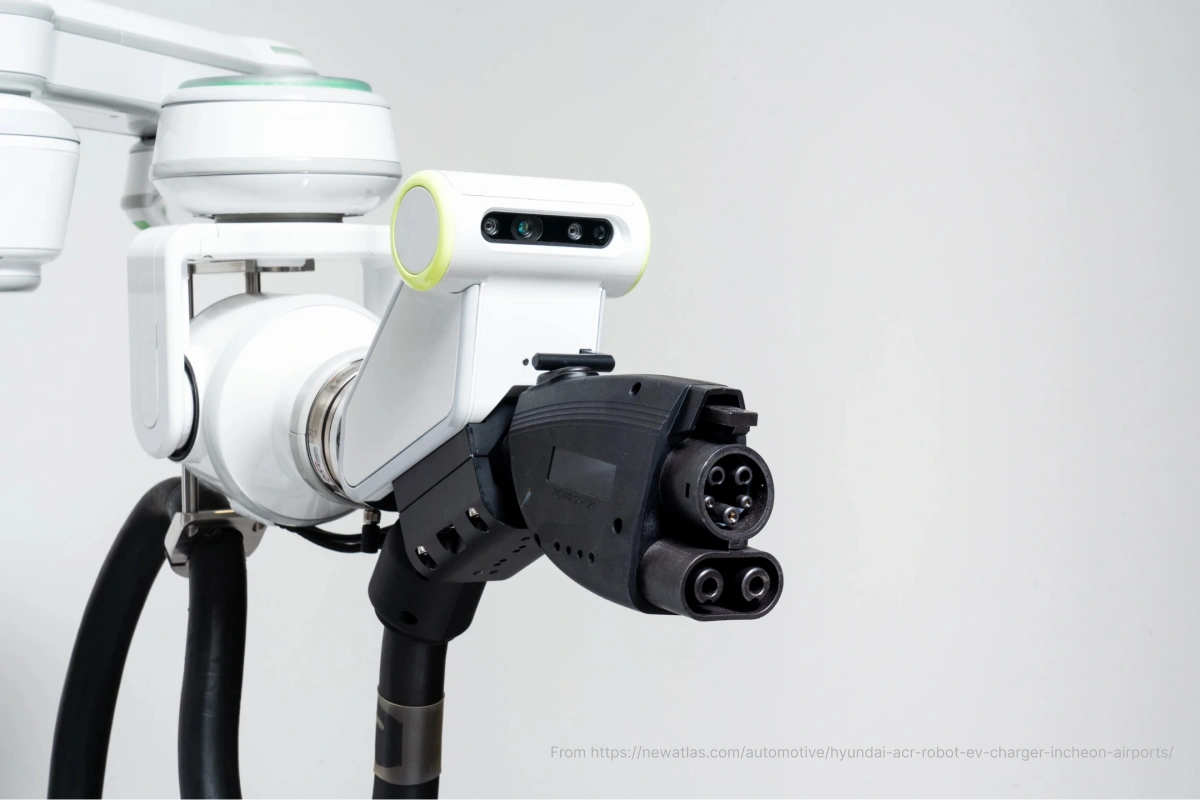
As autonomous taxis and delivery trucks scale up, ACR robots are stepping in to handle plugging with 99.9% accuracy – operating 24/7 without human intervention across massive 1,000-unit depots. These systems use AI vision for precise docking, transforming fleet efficiency. (Huawei Top 10 Trends)
Maintenance shifts to sensor cleaning and calibration: LiDAR dust or drift leads to misplugs that kill uptime.
Pre-fabricated 500kW–3MW containerized hubs snap together like building blocks, slashing deployment from years to weeks while integrating seamlessly with BESS and solar. This modular approach cuts upfront CAPEX by 30-50% by avoiding lengthy permitting battles. (Huawei Modular Construction)
The downside: Vibration-induced faults in inter-module cables, which demand exact torque specifications and specialized inventory.
AI systems now dynamically balance power across solar canopies, BESS units and dozens of chargers using OCPP 2.0.1 protocols – cutting demand charges by 40-60% and countering the grid strain from data centers doubling electricity needs. (Driivz 2026 Predictions)
Watch out! | When cyber alerts or overload warnings hit, the key is instant dispatch to prevent brownouts.
Vehicle-to-Grid (V2G) and Virtual Power Plants have gone mainstream in fleets across California and New York, letting operators sell stored EV energy back to the grid during peaks. The market is expected to hit $251 billion by 2034, with frequency regulation generating hundreds per EV annually. (Towards Automotive)
Compliance is brutal: Every discharge cycle needs ISO-certified metering and technician verification, or utilities pull your approval.
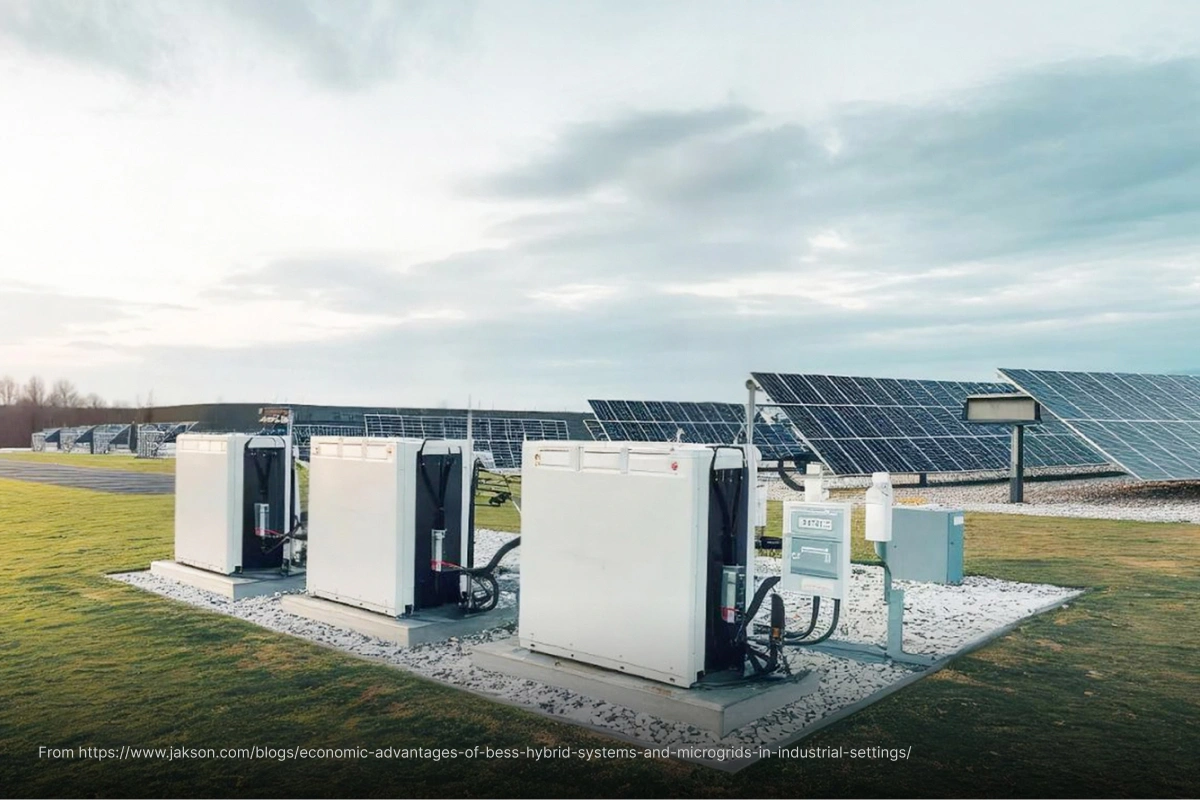
Over 40% of new charging hubs now feature solar canopies paired with Battery Energy Storage Systems to combat 41% utility rate hikes since 2020 and enable vehicle-to-home power sharing. Global charging ports will increase at 12.3% CAGR by 2040, reaching 206.6 million ports globally. (Wood Mackenzie)
The operations challenge: Synchronizing preventive maintenance across inverters, batteries and chargers – or risk 20% energy yield losses.
Ultra-fast charging stations are transforming into destination "oases" with shops, lounges, and even LiDAR-guided vending – capitalizing on 15–20 minute dwell times amid Asia-Pacific's passenger EV boom.
Watch out! | Vandalism on screens and sensors is up 3x, making hardened enclosures a building code must.
Third-generation semiconductors like Silicon Carbide (SiC) MOSFETs and Gallium Nitride (GaN) deliver 99% efficiency and 50% smaller footprints for 800–1,000V systems, ideal for squeezing 1MW into tight spaces. (Wecent)
Note: Field techs face high-voltage arc scars, requiring certified gas detectors and Lockout/Tagout uploads before every service.
With zero-day vulnerabilities at record highs, chargers now ship with Trusted Platform Modules (TPMs) compliant to NIST IR 8473, ISA/IEC 62443, and ISO 15118 – encrypting authentication from the hardware up via OCPP cybersecurity mandates. (FHWA NEVI Standards)
Note: Firmware updates require full certification trails for NEVI compliance, turning audits into quick exports.
Predictive Maintenance as a Service (PMaaS) uses IoT sensors and AI to flag faults 72 hours ahead, essential for hitting NEVI's 97% uptime. Operators increasingly outsource this for OPEX (operating expense) predictability.
The problem? The bottleneck – converting alerts to dispatched repairs.
Charging-as-a-Service models let businesses lease full hardware-plus-OPEX packages, scaling effortlessly while tying payments to uptime SLAs.
Note: Providers demand proof-of-fix documentation.
Long-haul depots are converging hydrogen fueling with megawatt EV charging (MCS) to serve diverse fleets – sharing infrastructure CAPEX while handling semis that need both options. (Repairify)
Note: Dual certification for hydrogen leaks and EV arcs adds complexity.
FieldEx acts as your field service management execution layer, seamlessly converting alerts from ACR robots, V2G metering, or SiC thermal sensors into dispatched work orders – complete with certification checks, inventory confirmation, and compliance uploads.
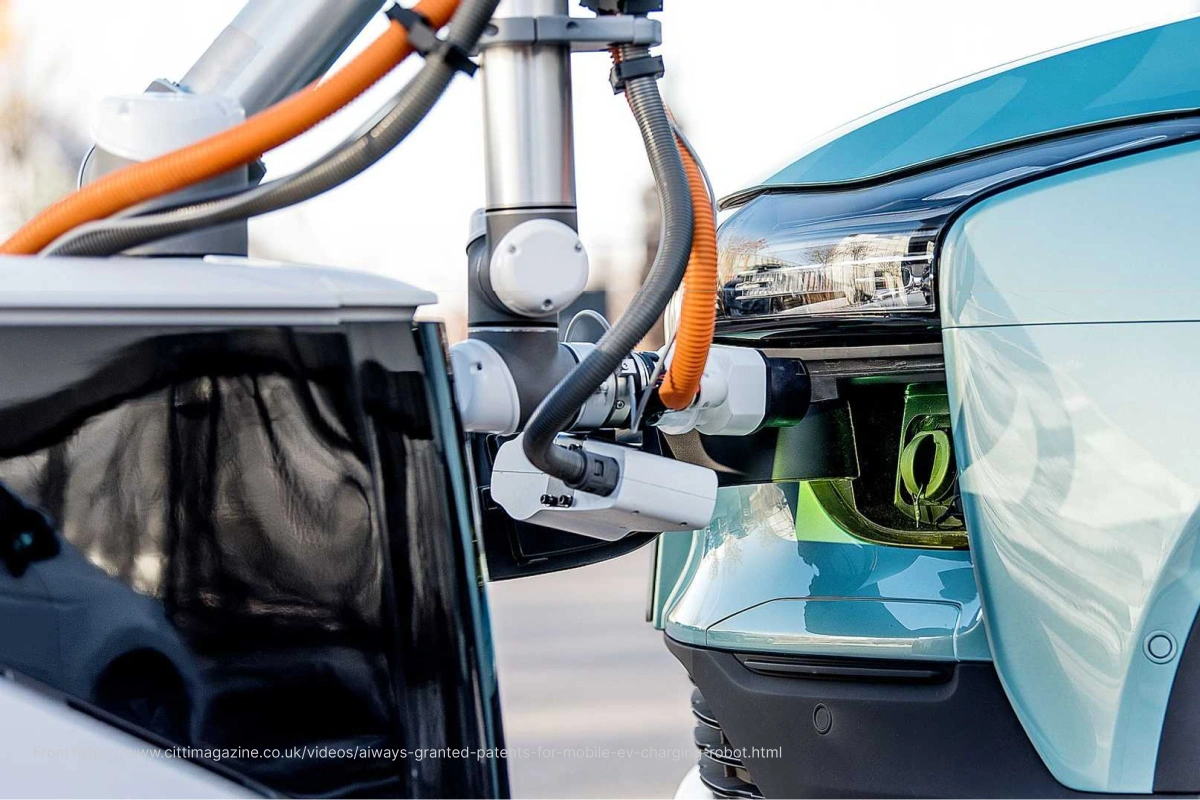
A robot fails to connect a Tesla Semi – FieldEx instantly pings the nearest EVITP-certified tech with a LiDAR calibration checklist, confirms coil stock in their van, and restores service in 90 minutes to protect uptime.
During peak demand, an EV refuses bidirectional flow – FieldEx verifies metering compliance, dispatches for a connector swap, and keeps the revenue stream alive.
Success in 2026 is no longer defined by how many chargers you have in the ground – it’s defined by how quickly you can bridge the gap between a digital alert and a physical fix.
The winners of this year are the operators who view their charging network not as a passive utility, but as a high-performance ecosystem. This reality requires data-driven precision, specialized technician talent, and an unshakeable commitment to reliability.
The era of 'set it and forget it' is over. The era of the ‘execution layer’ has begun.
Keen to learn more about how FieldEx automates compliance, secures maintenance, and keeps you audit-ready? Book a free demo today to see the 'execution layer' in action. Or simply reach out to say 'hi'!
It is a federal mandate requiring each charging port to be functional and available to drivers at least 97% of the time, calculated as an annual average. If a site host fails to meet this threshold, they risk the "clawback" of federal funding or disqualification from future grant rounds. (FHWA NEVI Standards)
While most new 2026 vehicles feature native NACS ports, legacy sites are undergoing a massive "retrofit phase". To stay compliant with federal NEVI rules, many stations are deploying dual-connector configurations or making adapters available to ensure all drivers can charge natively regardless of their vehicle's port. (SAE J3400 Standard News)
Modern 2026 inductive pads can reach up to 90-92% efficiency. However, "real-world" efficiency drops significantly if there is debris on the pad or if the vehicle is misaligned; dust buildup and coil misalignment can slash efficiency by 25-40% without regular calibration. (Global Market Insights Wireless Charging)
Yes. By participating in Virtual Power Plants (VPPs), fleets can sell stored energy back to the grid during peak demand periods. Operators can monetize these assets by providing demand response, frequency regulation, and reserve capacity, generating between $100 and $500 per vehicle annually. (Global Growth Insights V2G Market)
The move to 1,000V architecture – enabled by Silicon Carbide (SiC) semiconductors – allows for significantly higher power output without adding bulk to the cables. This technology supports ultra-fast charging (350kW+), enabling 15-minute sessions that approach the 10-minute mark. (Huawei Top 10 Trends 2026)
These are pre-fabricated, containerized charging hubs that arrive on-site with power electronics, cooling systems, and battery storage already integrated. They allow for rapid deployment in days rather than months, bypassing much of the on-site engineering and permitting that typically delays projects. (Huawei Modular Construction)
Under current NEVI guidelines, uptime is a strict measurement of availability for driver use. While some exclusions exist for vandalism or natural disasters, scheduled maintenance must be managed efficiently to ensure it doesn't drag the annual average below the mandatory 97% threshold. (eCFR NEVI Standards)
AI is used for Predictive Maintenance (PMaaS). By monitoring telemetry data, AI can identify potential faults up to 72 hours before they happen, allowing operators to schedule repairs before the hardware fails and violates uptime mandates. (Driivz 2026 EV Charging Predictions)
While popular in high-end valet and autonomous "robotaxi" depots, Automatic Charging Robots (ACR) are increasingly used to meet ADA accessibility requirements, as they handle the heavy, liquid-cooled cables that can be difficult for some drivers to manage independently. (Huawei ACR Trends)
FieldEx acts as the "execution layer". It takes digital alerts (like an AI fault prediction or a V2G discharge error) and automatically dispatches a technician with the correct certifications (eg EVITP) and the exact spare parts (eg a liquid-cooled NACS cable) to ensure a first-time fix.

.avif)


This website and its content are the property of FieldEx and are protected by copyright laws. © 2026 FieldEx. Any redistribution or reproduction of part or all of the contents in any form is prohibited, except with our express written permission.
FieldEx Pte Ltd